50 Financial Best Practices for Architectural Firms in UAE & GCC
Why Financial Discipline Matters for Architectural Firms
Architectural firms operate in a project-driven environment where design delivery must be supported by strong financial management, accurate project costing, effective resource allocation and timely reporting. Firms can face financial challenges when they rely on:
- Disconnected accounting and project management systems
- Inaccurate project costing
- Poor labour and consultant cost tracking
- Delayed financial reporting
- Limited visibility into project profitability
- Weak cash flow and receivables management
At ALGEBRAA, we help architectural firms across the UAE and GCC establish structured financial systems that support:
✔ Accurate project and job costing
✔ Integrated accounting and ERP systems
✔ Real-time profitability visibility
✔ Strong financial controls
✔ Management reporting and KPI dashboards
✔ VAT and Corporate Tax compliance support
1. Accounting & Financial Management Best Practices

1. Maintain a Structured Chart of Accounts: Customize your Chart of Accounts (COA) around projects, departments, services, cost categories and business activities to support accurate financial reporting.
2. Use Accrual-Based Accounting: Record revenue and expenses in the appropriate accounting period to provide a more accurate view of financial performance.
3. Automate Bank & Payment Reconciliation: Perform regular bank and payment reconciliations to identify discrepancies quickly and maintain accurate financial records.
4. Implement Multi-Level Financial Reporting: Develop department-wise, project-wise, service-wise and client-wise reporting to improve financial visibility.
5. Close Books Monthly Without Delay: Establish a structured month-end closing process to ensure timely financial statements and management reports.
6. Maintain Separate Cost Centres: Use cost centres to monitor the financial performance and profitability of individual departments, projects or business units.
7. Standardize Financial Processes: Document and standardize accounting workflows to reduce inconsistencies, manual errors and process dependency.
8. Use Cloud-Based Accounting Systems: Cloud accounting enables authorized teams to access financial information in real time while supporting scalability and remote collaboration.
2. Job Costing & Project Financial Control
For project-based businesses in the UAE, accurate job costing is essential for controlling project margins and identifying cost overruns before they affect profitability.
9. Implement Detailed Job Costing Systems: Track materials, labour, subcontractors, overheads and other direct and indirect costs against individual projects.
10. Allocate Labour Costs Accurately: Capture both direct and indirect labour costs and allocate them appropriately to projects and cost centres.
11. Track Subcontractor Costs Separately: Maintain clear records of subcontractor commitments, invoices, payments and project allocations.
12. Use Phase-Wise Cost Tracking: Monitor project costs across design, planning, procurement, execution and completion stages where applicable.
13. Monitor Budget vs Actual Regularly: Compare approved project budgets with actual costs to identify deviations and take corrective action early.
14. Maintain Work-in-Progress (WIP) Reports: Use WIP reporting to monitor the financial value and status of ongoing projects.
15. Implement Change Order Tracking: Track approved and pending changes to project scope, costs and billing to reduce revenue leakage.
16. Analyze Project Profitability Post-Completion: Review actual project performance against estimates to improve future pricing, budgeting and project planning.

3. Inventory & Material Management

Effective inventory accounting helps UAE businesses control working capital, reduce wastage and maintain accurate project costs.
17. Maintain Real-Time Inventory Records: Keep inventory records updated to reduce stock discrepancies and improve material visibility.
18. Track Material Consumption per Job: Link material issues and consumption to individual projects or jobs for accurate project costing.
19. Identify Fast, Slow & Dead Stock: Analyse inventory movement to optimize stock levels and reduce unnecessary working capital.
20. Implement Inventory Valuation Methods: Apply an appropriate inventory valuation method, such as FIFO or Weighted Average, based on the business and accounting requirements.
21. Automate Inventory Integration with Accounting: Integrate inventory transactions with accounting systems to reduce duplicate data entry and manual errors.
22. Conduct Regular Stock Audits: Perform periodic physical stock checks and reconcile results with accounting and inventory records.
23. Monitor Material Wastage: Track material wastage by project, location or activity to identify unnecessary losses and improve cost control.
4. Labour & Resource Cost Management
Labour is a significant cost component for many UAE project-based businesses. Accurate time and resource tracking improves costing and workforce planning.
24. Track Labour Productivity Daily: Measure labour output against time spent to identify productivity trends.
25. Monitor Idle Time: Track non-productive hours and identify operational causes affecting workforce efficiency.
26. Allocate Labour Costs to Jobs: Assign employee and labour costs to the appropriate projects, departments or cost centres.
27. Analyze Peak vs Non-Peak Hours: Use working-hour data to support better workforce planning and resource allocation.
28. Control Overtime Costs: Monitor overtime against budgets and project requirements to prevent avoidable cost overruns.
29. Use Timesheet Systems: Implement reliable timesheet processes to capture working hours and improve project costing accuracy.

5. Cash Flow & Working Capital Management

Effective cash flow management is critical for UAE businesses dealing with project-based billing, supplier commitments and extended customer payment cycles.
30. Maintain Daily Cash Flow Reports: Monitor available cash, expected receipts and upcoming payments to maintain liquidity.
31. Monitor Accounts Receivable Ageing: Review receivables ageing regularly and follow up on overdue customer balances to improve collections.
32. Set Credit Policies for Clients: Establish clear customer credit terms and approval procedures to reduce collection risks and bad debts.
33. Optimize Accounts Payable Cycles: Plan supplier payments carefully while maintaining strong supplier relationships and protecting cash flow.
34. Forecast Cash Flow Regularly: Prepare rolling cash flow forecasts to anticipate future funding requirements and major expenses.
35. Maintain Emergency Cash Reserves: Maintain appropriate liquidity reserves to manage unexpected expenses, project delays or changes in business conditions.
6. Profitability & Performance Analysis
Financial reporting should go beyond statutory accounts. Management needs actionable information to understand where revenue is generated and where costs are increasing.
36. Analyze Job-Wise Profitability: Measure revenue, direct costs, overheads and margins for each project or job.
37. Evaluate Customer-Wise Profitability: Analyse customer revenue and associated costs to understand the financial contribution of different client relationships.
38. Track Asset Utilization & ROI: Monitor asset and equipment utilization and evaluate returns generated from business investments.
39. Monitor Departmental Performance: Compare department-level revenue, expenses and profitability to identify operational strengths and areas requiring attention.
40. Use KPI Dashboards: Create management dashboards covering financial and operational KPIs for faster decision-making.
41. Benchmark Against Industry Standards: Compare relevant business and financial performance indicators with appropriate industry benchmarks to identify improvement opportunities.

7. Technology & Automation Best Practices

Integrated accounting and ERP systems can reduce manual processes, improve data accuracy and provide management with faster access to financial information.
42. Integrate Accounting with ERP Systems: Connect accounting with ERP, inventory, project costing and operational systems to reduce data silos.
43. Automate Reporting & MIS: Automate management reports and MIS dashboards to reduce manual reporting effort and improve reporting speed.
44. Use API Integrations: Use appropriate API integrations to enable seamless data movement between accounting, ERP, CRM, inventory and other business systems.
45. Implement Data Validation Controls: Introduce validation checks and approval controls to improve data quality and reduce accounting errors.
46. Maintain Backup & Data Security: Protect financial information through appropriate backup, access-control and data-security processes.
8. Compliance & Risk Management
Strong financial controls and proper documentation support regulatory compliance and improve audit readiness.
47. Ensure Tax Compliance Across Jurisdictions: Maintain appropriate VAT, Corporate Tax and other applicable tax compliance processes across the UAE and relevant GCC jurisdictions.
48. Maintain Proper Documentation: Keep organized financial records, invoices, contracts, supporting documents and reconciliations to maintain audit-ready records.
49. Conduct Internal Audits Periodically: Perform periodic internal reviews to identify financial, operational and process risks at an early stage.
50. Implement Financial Controls & Approvals: Establish appropriate authorization levels, segregation of duties and approval workflows to reduce financial errors and control risks.

How ALGEBRAA Helps Implement These Best Practices

Implementing financial best practices requires more than selecting accounting software. Your systems, processes, reporting structure and operational workflows must work together.
ALGEBRAA provides accounting, bookkeeping, ERP consulting, financial reporting, MIS, CFO advisory and accounting outsourcing support for businesses across the UAE and GCC.
Step 1: Requirement Gathering
Our first step is understanding how your business operates. We assess:
- Existing accounting and financial workflows
- Project and job costing requirements
- Inventory and material processes
- Reporting requirements
- Existing ERP and accounting systems
- Process gaps and control weaknesses
This helps us identify where improvements are required before implementing solutions.
Step 2: System Design & Software Integration
We help design an integrated financial environment connecting relevant systems, including:
- QuickBooks
- Xero
- Oracle NetSuite
- Zoho
- ERP systems
- Inventory management systems
- Job costing tools
The objective is to create a connected flow of financial and operational information while reducing unnecessary manual data entry.
Step 3: Process Implementation
We help implement practical financial structures such as:
- Chart of Accounts setup
- Cost centre structures
- Job costing frameworks
- Inventory mapping
- Project accounting workflows
- Financial approval processes
- Reconciliation procedures
Step 4: Automation & MIS Reporting
We help businesses move from manual reporting to structured management information systems.
Our solutions can include:
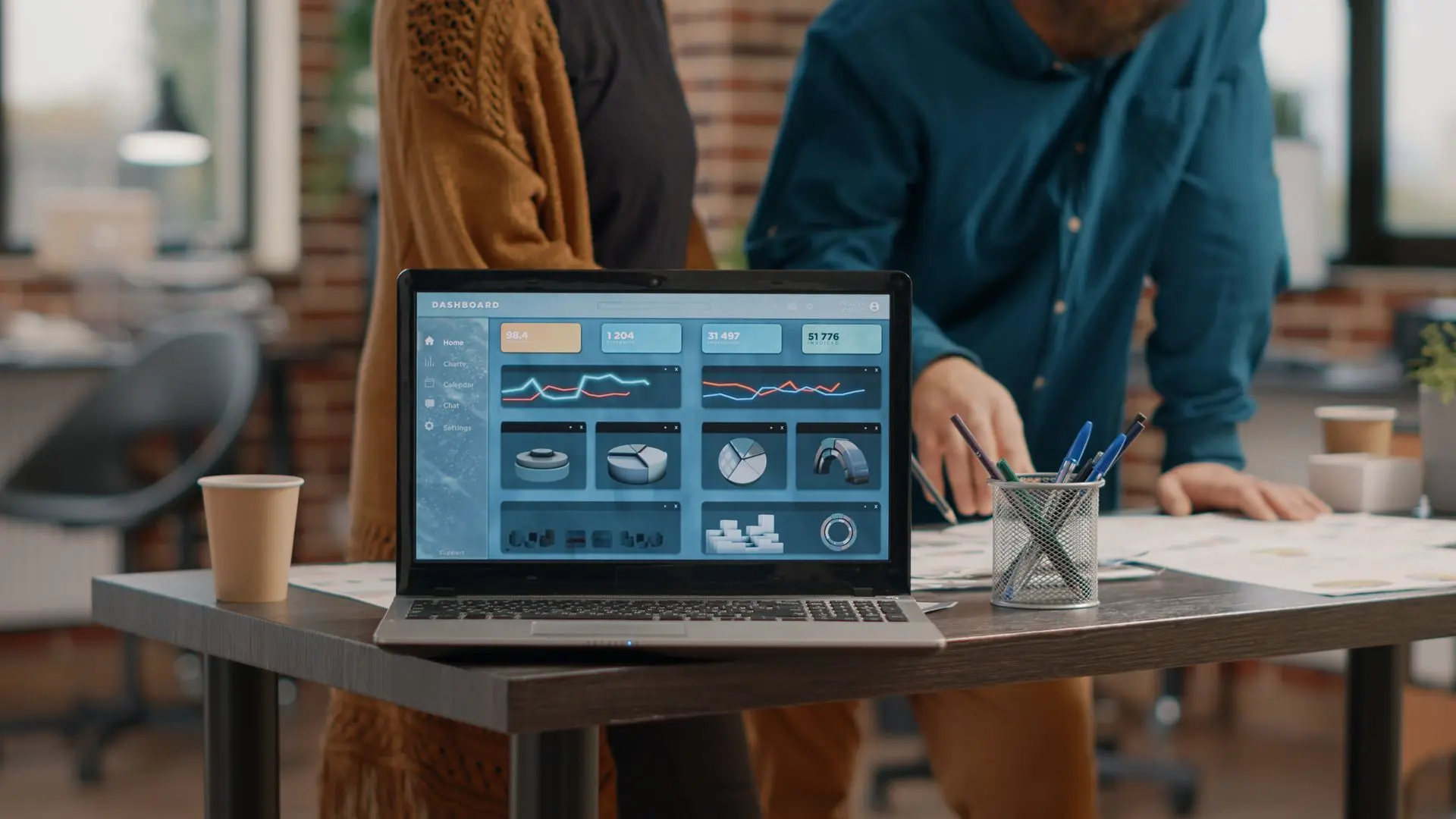
- Real-time financial dashboards
- Automated management reports
- KPI tracking
- Project profitability reporting
- Cash flow reporting
- Budget vs actual analysis
- Management reporting


Step 5: Continuous Monitoring & Advisory
Financial improvement requires ongoing monitoring. ALGEBRAA can support businesses through:
- Monthly financial reviews
- Profitability analysis
- Cash flow monitoring
- KPI analysis
- Management reporting
- Process improvement
- Strategic financial insights
Why Choose ALGEBRAA?
- Specialized in Project-Based Accounting: We understand the financial requirements of project-driven businesses, including job costing, WIP, resource costs, subcontractors and project profitability.
- Multi-Software Expertise: Our team works across multiple accounting, ERP, inventory and business management platforms to support integrated financial operations.
- Profitability-Focused Approach: We provide visibility across projects, customers, departments, inventory, assets and other key business dimensions.
- Cost Optimization: Better reporting and financial controls help management identify inefficiencies, cost overruns and opportunities to improve margins.
- Dedicated Experts: Our accounting and financial management professionals provide structured, consistent and practical support aligned with your business requirements.


Transform Your Financial Operations
Build stronger financial controls, improve reporting visibility and gain better control over project costs, cash flow and profitability.
Partner with ALGEBRAA for Accounting Services, Bookkeeping Services, ERP Consulting, Financial Reporting, MIS Reporting, CFO Services and Business Advisory Services in Dubai and across the UAE and GCC.
Contact ALGEBRAA today to discuss your accounting and financial management requirements.