Accounting Workflow for Plumbing Contractors in Dubai & UAE
A Complete Accounting, Job Costing and ERP Workflow
Plumbing contractors operate in a highly dynamic environment involving job-based operations, inventory-intensive activities, labour and subcontractor management, maintenance contracts and multiple payment channels. To maintain accurate financial information, operational data must flow efficiently between job management, inventory, billing, accounting and management reporting. Without a structured accounting workflow, businesses can face:
- Inconsistent financial data
- Inaccurate job costing
- Inventory discrepancies
- Uncontrolled labour costs
- Delayed billing
- Poor cash-flow visibility
- Unreliable profitability reporting
ALGEBRAA helps plumbing contractors in Dubai and across the UAE design and implement structured Accounting, Bookkeeping and ERP workflows that connect operational activities with financial information.
Why Is a Structured Accounting Workflow Essential?
Plumbing contractors manage multiple activities simultaneously. A typical operation may involve:
- Customer enquiries
- Job and work orders
- Material procurement
- Inventory management
- Technician allocation
- Subcontractor engagement
- Maintenance contracts
- Service activities
- Customer billing
- Payment collection
When these activities operate independently from the accounting function, management may not receive reliable information about costs and profitability. A structured workflow helps create stronger:
- Financial control
- Job cost visibility
- Inventory accuracy
- Labour cost allocation
- Cash-flow monitoring
- Management reporting
- Strategic decision-making

Complete Accounting Workflow for Plumbing Contractors
Below is a structured end-to-end workflow designed for plumbing contractors

STEP 1: Customer Inquiry & Job Creation
Process: The workflow begins when a customer submits a service request through:
- Telephone
- Website enquiry
- CRM
- Service management system
The business creates:
- Customer profile
- Job or work order
- Service request record
System Setup: Each job can be assigned:
- A unique job code
- Customer reference
- Service classification
- Department or cost centre, where applicable
Service categories may include:
- Maintenance contracts
- New installation work
- Repair services
- Other service activities
Output: A properly created job with a unique reference for operational and financial tracking.
STEP 2: Cost Estimation & Quotation
Before work begins, the business can prepare an estimated cost based on:
- Materials
- Labour
- Subcontractor costs, where applicable
- Relevant operational costs
Configuration: Depending on the software environment, the process may include:
- Bill of Materials
- Standard labour rates
- Service pricing structures
Output: An approved quotation linked to the relevant customer and job. This creates a useful reference point for comparing estimated costs with actual costs.


STEP 3: Purchasing & Inventory Procurement
Process: Materials required for jobs are procured through structured purchasing procedures. Typical activities include:
- Purchase requisitions
- Purchase orders
- Supplier coordination
- Goods receipt
System Records: The workflow can include:
- Purchase Order records
- Goods Receipt Notes
- Supplier invoices
- Inventory updates
Output: Accurate inventory availability and stronger purchasing control.
STEP 4: Inventory Allocation to Jobs
Materials issued for a specific job should be linked to that job wherever the accounting or ERP system supports this functionality.
Process
- Materials are issued to the relevant job
- Consumption is recorded against the job reference
Records
- Material Issue Notes
- Job-wise consumption entries
Output: Better visibility into material consumption and material cost per job. This information forms an important part of job costing and profitability analysis.


STEP 5: Labour & Resource Allocation
Process: Plumbers and technicians are assigned to specific jobs or service activities.
Tracking: The workflow can include:
- Timesheets
- Digital work logs
- Job allocation records
- Hours worked
- Overtime, where applicable
Output: More accurate allocation of labour costs to jobs and service activities.
STEP 6: Job Execution & Monitoring
During job execution, operational progress should be monitored against the original plan or estimate.
Monitoring Areas
- Job status
- Work progress
- Actual time versus estimated time
- Material usage
- Resource utilisation
Output: Better operational control and earlier identification of potential cost or time variances.


STEP 7: Subcontractor Management: Where specialist or additional external resources are required, subcontractor costs should be linked to the appropriate job.
Process:
- Assign subcontractors
- Record subcontractor services
- Link invoices to jobs or projects
- Follow internal approval procedures
Output: Improved control over external costs and better job-wise cost allocation.
STEP 8: Job Completion & Customer Billing
Once the relevant work is completed and approved, billing can be processed.
Process:
- Verify job completion
- Review billable services and materials
- Generate the customer invoice
System Setup: Invoices should, where appropriate, be linked to:
- Job code
- Customer
- Service category
- Supporting operational records
Output: Accurate and traceable customer billing. For UAE businesses, billing and accounting processes should also support applicable VAT compliance requirements.


STEP 9: Revenue Recognition & Financial Reporting
Revenue should be recorded based on the nature of the service, contract and applicable accounting policies. Relevant business activities may include:
- Completed jobs
- Service activities
- Maintenance contracts
- Longer-term projects
The appropriate accounting treatment should be determined based on the company's accounting policies and applicable financial reporting requirements.
Output: More reliable financial reporting and management information.
STEP 10: Payment Collection & Reconciliation
Plumbing contractors may receive payments through:
- Bank transfers
- Credit cards
- Debit cards
- Online payment gateways
- Cash, where applicable
- Other approved electronic payment methods
Accounting Process: Payments should be:
- Recorded accurately
- Matched against invoices
- Reconciled with bank records
- Reviewed for outstanding balances
Output: Improved cash-flow visibility and cleaner accounts receivable records.


STEP 11: Expense & Overhead Recording
Not all business costs are directly connected to individual jobs. The accounting workflow should also capture operational expenses such as:
- Administrative expenses
- Transport costs
- Fuel
- Office expenses
- Utilities
- Software and technology costs
- Other operating expenses
Output: More complete financial records and improved cost visibility.
STEP 12: Inventory Reconciliation
Physical inventory should be periodically compared with system records.
Process:
- Physical stock verification
- Comparison with accounting or ERP records
- Investigation of material differences
- Recording of authorised adjustments
Output: More accurate inventory records and stronger internal controls.


STEP 13: Job Costing & Profitability Analysis
A structured job costing process brings together the major costs associated with each job.
Cost Components:
- Material cost
- Direct labour
- Contract labour
- Subcontractor costs
- Relevant job-related expenses
Management Reports:
- Job-wise profitability
- Estimated versus actual cost
- Cost variance analysis
- Revenue versus cost analysis
Output: Clearer visibility into the profitability of individual jobs and service activities.
STEP 14: MIS Reporting & KPI Tracking
Management requires timely information to monitor both financial and operational performance. ALGEBRAA can help develop MIS Reporting and Management Dashboards covering:
- Daily operational activity
- Weekly performance
- Monthly financial reporting
- Revenue trends
- Job profitability
- Labour utilisation
- Inventory movement
- Receivables
- Cash-flow information
Key Performance Indicators: Relevant KPIs may include:
- Job profitability
- Labour utilisation
- Inventory turnover
- Billing performance
- Collection performance
- Department performance
Output: Data-driven management and strategic decision-making.


Integrated Accounting Workflow Architecture
An effective plumbing contractor accounting workflow should connect the key business systems.
Core Workflow
Job Management
↓
Inventory Management
↓
Labour & Resource Tracking
↓
Subcontractor Cost Control
↓
Billing
↓
Accounting
↓
Financial Reporting & MIS
Depending on the business's technology environment, integration may involve:
- Job management systems
- Inventory systems
- Accounting software
- ERP platforms
- CRM systems
- Payment systems
The objective is to reduce disconnected information and improve the reliability of management reporting.
Common Accounting Workflow Gaps We Help Address
Many plumbing businesses experience operational and financial gaps such as:
- Manual job costing
- Inventory consumption not linked to jobs
- Incomplete labour tracking
- Delayed billing
- Weak subcontractor cost control
- Reconciliation delays
- Limited profitability reporting
- Poor cash-flow visibility
ALGEBRAA helps businesses review these processes and establish a more structured accounting environment.

How
Algebraa Implements the Accounting Workflow?

1. Business Process Review
We begin by understanding:
- Business operations
- Job workflows
- Revenue streams
- Inventory processes
- Existing accounting systems
- ERP environment
- Reporting requirements
2. Workflow Design
We develop a workflow based on the actual operational structure of the plumbing business. The workflow can connect:
Operations → Jobs → Costs → Billing → Accounting → Reporting


3. Accounting & ERP Setup
We support accounting and ERP processes through:
- Accounting system configuration
- ERP accounting support
- Workflow standardisation
- Job costing structures
- Financial reporting processes
4. Data Review & Migration Support
Where a system transition is required, data can be reviewed and prepared for migration. This may involve:
- Reviewing existing records
- Cleaning relevant financial data
- Mapping accounts
- Preparing information for import


5. Automation & Reporting Setup
We help establish more efficient processes for:
- Accounting workflows
- Financial reporting
- MIS reporting
- Management dashboards
- Reconciliation processes
6. Ongoing Monitoring & Improvement
A financial workflow should be reviewed as the business grows. We can support ongoing improvements in:
- Accounting processes
- Financial reporting
- Management information
- Internal controls
- ERP accounting workflows


Flexible Engagement Options
ALGEBRAA can provide support based on your operational and financial requirements. Engagement options may include:
- Daily
- Weekly
- Bi-weekly
- Monthly
- Quarterly
- Half-yearly
- Yearly
Accounting & ERP Software Expertise
ALGEBRAA supports a broad range of accounting and ERP environments, including:
- QuickBooks
- Xero
- Zoho Books
- Tally
- Odoo
- SAP environments
- Oracle ERP environments
- Microsoft Dynamics
- Compatible customised ERP systems
Our approach is to improve accounting and financial processes within the technology environment most suitable for your business.

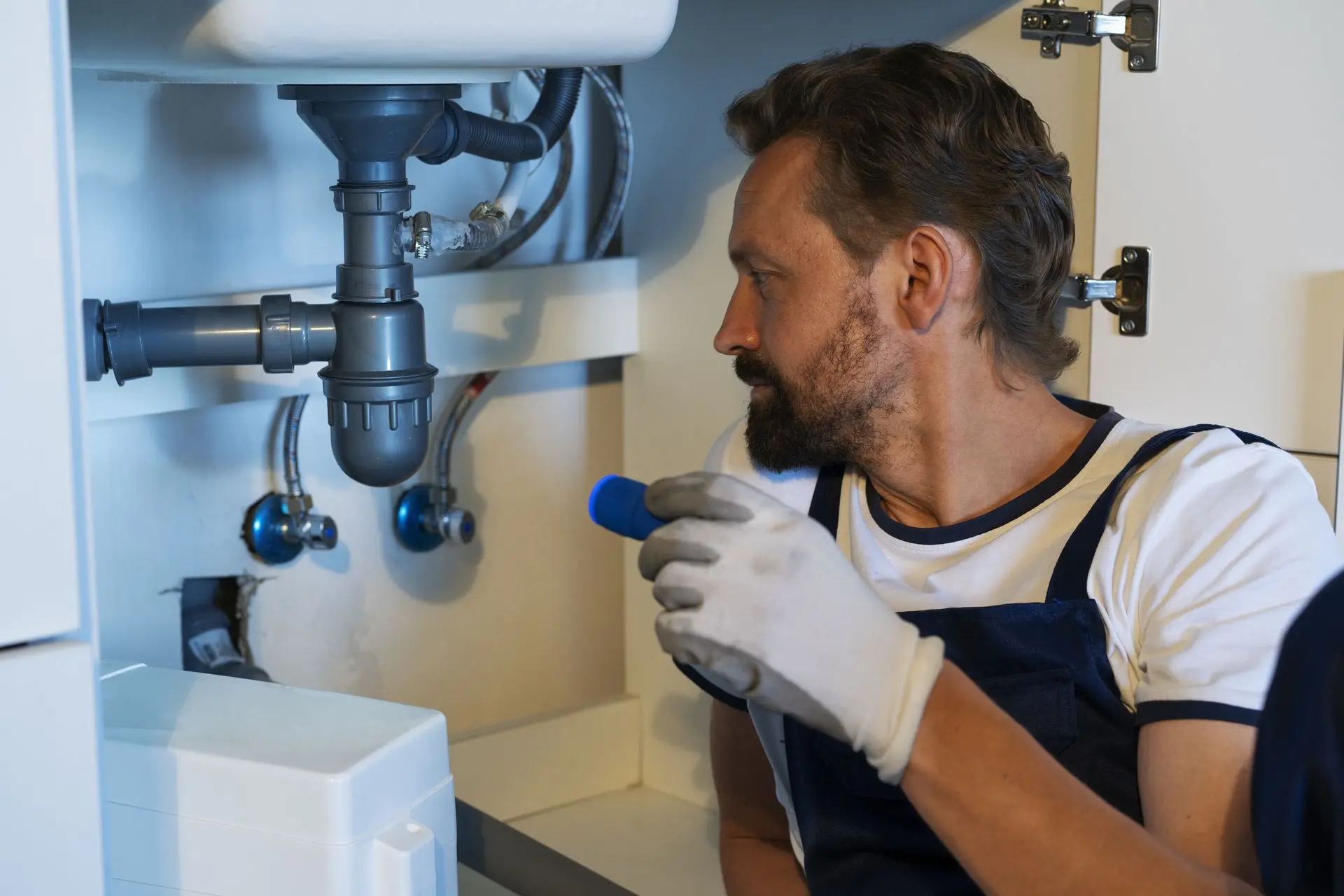
Plumbing Contractor Industry Expertise
Our accounting and ERP approach is designed around the operational requirements of plumbing contractors and related service businesses. Key areas include:
- Job-based accounting
- Service operations
- Maintenance contracts
- Inventory management
- Labour costing
- Subcontractor cost management
- Job profitability
- Financial reporting
Final Outcome for Your Plumbing Business
With a structured accounting workflow, your business can achieve:
- More accurate job costing
- Better inventory visibility
- Improved labour cost allocation
- Stronger subcontractor cost control
- More reliable billing processes
- Better cash-flow monitoring
- Meaningful MIS reporting
- Improved financial control
- Greater profitability visibility
- More scalable accounting operations
The objective is to move beyond basic transaction recording and create a finance function that provides useful information for business management.


Want to implement a powerful accounting workflow in your plumbing business?
Let Algebraa design and implement a fully automated accounting system tailored to your operations.
Contact us today for a free consultation.