Complete Restaurant Accounting Guide
Complete Restaurant Accounting Guide: 50 Financial Best Practices for Restaurant Owners
Running a successful restaurant requires more than exceptional food and customer service. Behind every profitable restaurant is a strong financial management framework that tracks revenue, controls costs, manages inventory, monitors cash flow and supports informed decision-making.Restaurants across Dubai, the UAE and the GCC operate in a demanding environment of tight margins, high transaction volumes and constantly changing food, labour and operating costs. Owners and management teams must maintain control over sales, inventory, suppliers, payroll, expenses, VAT compliance and financial reporting.
At ALGEBRAA, we help restaurants, cafés, cloud kitchens and hospitality businesses build integrated accounting ecosystems that connect POS systems, inventory platforms, recipe costing, bookkeeping and financial reporting.
This guide presents 50 essential financial best practices for restaurant owners to strengthen financial control, improve profitability and support sustainable business growth.

Understanding Restaurant Financial Management
Restaurant financial management involves recording, monitoring, analysing and controlling the financial activities generated through daily operations. A strong restaurant finance function should provide visibility over:
- Revenue management
- Food and beverage costs
- Inventory accounting
- Labour and payroll costs
- Operating expenses
- Cash flow
- VAT compliance
- Financial reporting
- Profitability analysis
- Budgeting and forecasting
An effective accounting system transforms daily operational transactions into reliable financial information that supports better strategic decision-making.
Section 1
Restaurant Accounting Fundamentals
Best Practice 1
Establish a Structured Chart of Accounts
A properly designed Chart of Accounts is the foundation of reliable restaurant accounting and financial reporting. Typical restaurant account categories may include:
- Food Sales
- Beverage Sales
- Catering Revenue
- Delivery Sales
- Cost of Goods Sold
- Food Costs
- Beverage Costs
- Packaging Costs
- Labour Costs
- Rent and Occupancy Costs
- Utilities
- Marketing Expenses
- Administrative Expenses
A structured Chart of Accounts improves cost classification, outlet analysis and management reporting.

Best Practice 2

Separate Business and Personal Finances
Restaurant owners should maintain clear separation between personal and business finances. Dedicated business bank accounts and controlled payment processes help support:
- Accurate bookkeeping
- Clear financial reporting
- Better cash flow monitoring
- Easier reconciliation
- Stronger internal controls
- Simplified VAT and Corporate Tax compliance
Best Practice 3
Implement Daily Sales Recording
Restaurants generate a high volume of transactions every day. Sales should be recorded accurately and transferred from the POS environment into the accounting system through controlled processes or system integration. Daily sales recording provides:
- Accurate revenue visibility
- Faster reconciliation
- Better cash control
- Reliable management reporting
- Improved financial visibility

Best Practice 4

Maintain Accurate Cash Control Procedures
Restaurants handling cash require disciplined procedures to reduce errors and financial leakage. Daily controls should include:
- Cash drawer reconciliation
- Cash sales verification
- Daily deposit verification
- Cash variance reporting
- Approval and accountability procedures
Strong cash controls form an important part of the restaurant's internal control framework.
Best Practice 5
Track Payment Methods Separately
Modern restaurants receive payments through multiple channels, including:
- Cash
- Credit cards
- Debit cards
- Digital wallets
- Online payment platforms
- Delivery applications
- Corporate credit arrangements
Each payment channel should be tracked and reconciled separately to ensure accurate settlement and revenue reporting.

Section 2
Inventory and Food Cost Management
Food and beverage inventory represents one of the most significant controllable costs in restaurant operations.
Best Practice 6

Implement Inventory Management Systems
Restaurants should use structured inventory processes or technology to monitor:
- Ingredient purchases
- Stock receipts
- Stock transfers
- Consumption
- Wastage
- Spoilage
- Closing inventory
Integrated inventory management improves financial accuracy and supports stronger food cost control.
Best Practice 7
Conduct Regular Inventory Counts
Regular physical stock verification helps identify differences between physical inventory and system records. A structured approach may include:
- Frequent checks for fast-moving items
- Weekly inventory verification
- Periodic full stock counts
- Monthly inventory valuation and reconciliation
This strengthens inventory accuracy and supports reliable financial reporting.

Best Practice 8

Implement Recipe Costing Systems
Every significant menu item should have a structured recipe and cost calculation. Recipe costing should consider:
- Standard ingredient quantities
- Current ingredient prices
- Yield and wastage
- Portion sizes
- Packaging costs where applicable
Accurate recipe costing supports better menu pricing and profitability analysis.
Best Practice 9
Monitor Food Cost Percentage
Food cost should be monitored regularly as a percentage of food revenue. Management should analyse changes caused by:
- Supplier price increases
- Wastage
- Portion control issues
- Recipe changes
- Incorrect stock recording
- Menu pricing decisions
Regular analysis helps management identify cost increases before they significantly affect profitability.

Best Practice 10

Reduce Food Waste
Food wastage directly reduces restaurant profitability. Restaurants should track:
- Spoilage
- Expired inventory
- Overproduction
- Preparation waste
- Returned items
- Portion control issues
A structured waste reporting process helps identify the operational causes behind inventory losses.
Section 3
Restaurant Revenue Management
Best Practice 11
Analyze Daily Sales Performance
Daily sales analysis provides visibility into:
- Peak trading periods
- Slow periods
- Revenue trends
- Outlet performance
- Menu performance
This information can support staffing, promotions and operational planning.

Best Practice 12

Monitor Average Customer Spending
Useful restaurant revenue indicators include:
- Average Order Value
- Revenue per Customer
- Revenue per Table
- Average Transaction Value
These metrics help management understand customer spending behaviour and revenue opportunities.
Best Practice 13
Implement Menu Engineering
Menu engineering combines popularity and profitability analysis. Restaurants can use this information to identify:
- High-demand, high-margin items
- Popular but low-margin items
- High-margin items requiring stronger promotion
- Underperforming menu items
This supports better menu design and pricing decisions.

Best Practice 14

Optimize Table Turnover
For dine-in restaurants, table utilisation directly affects revenue capacity. Management can monitor:
- Average dining time
- Table turnover
- Peak-hour occupancy
- Revenue per available table
Improving operational efficiency can increase revenue without proportionately increasing fixed costs.
Best Practice 15
Track Delivery Platform Sales
Delivery channels should be analysed separately from dine-in and takeaway sales. Management should monitor:
- Gross delivery sales
- Platform commissions
- Discounts
- Refunds
- Packaging costs
- Net contribution
This provides a clearer understanding of delivery channel profitability.

Section 4
Labor Cost Management
Labour is often one of the largest expenses in restaurant operations.
Best Practice 16

Monitor Labour Cost Percentage
Restaurants should regularly compare labour costs against revenue. Analysis should include:
- Salaries and wages
- Overtime
- Allowances
- Payroll-related costs
- Labour cost by outlet or department
This helps management maintain appropriate staffing levels.
Best Practice 17
Optimise Staff Scheduling
Staff schedules should align with expected customer demand. Historical sales patterns can help management avoid:
- Overstaffing during slow periods
- Understaffing during peak periods
- Excessive overtime

Best Practice 18

Track Employee Productivity
Relevant employee productivity measures may include:
- Sales per employee
- Revenue per labour hour
- Service efficiency
- Table service performance
These indicators can support workforce planning and performance management.
Best Practice 19
Implement Controlled Payroll Processes
A structured payroll process improves accuracy, consistency and financial control. Restaurant payroll procedures should support:
- Accurate attendance data
- Salary and wage calculations
- Overtime monitoring
- Payroll approvals
- Proper accounting entries

Best Practice 20

Monitor Overtime Expenses
Uncontrolled overtime can significantly increase labour costs. Management should review overtime trends and identify whether additional staffing, schedule changes or operational improvements are required.
Section 5
Expense Control and Financial Discipline
Best Practice 21
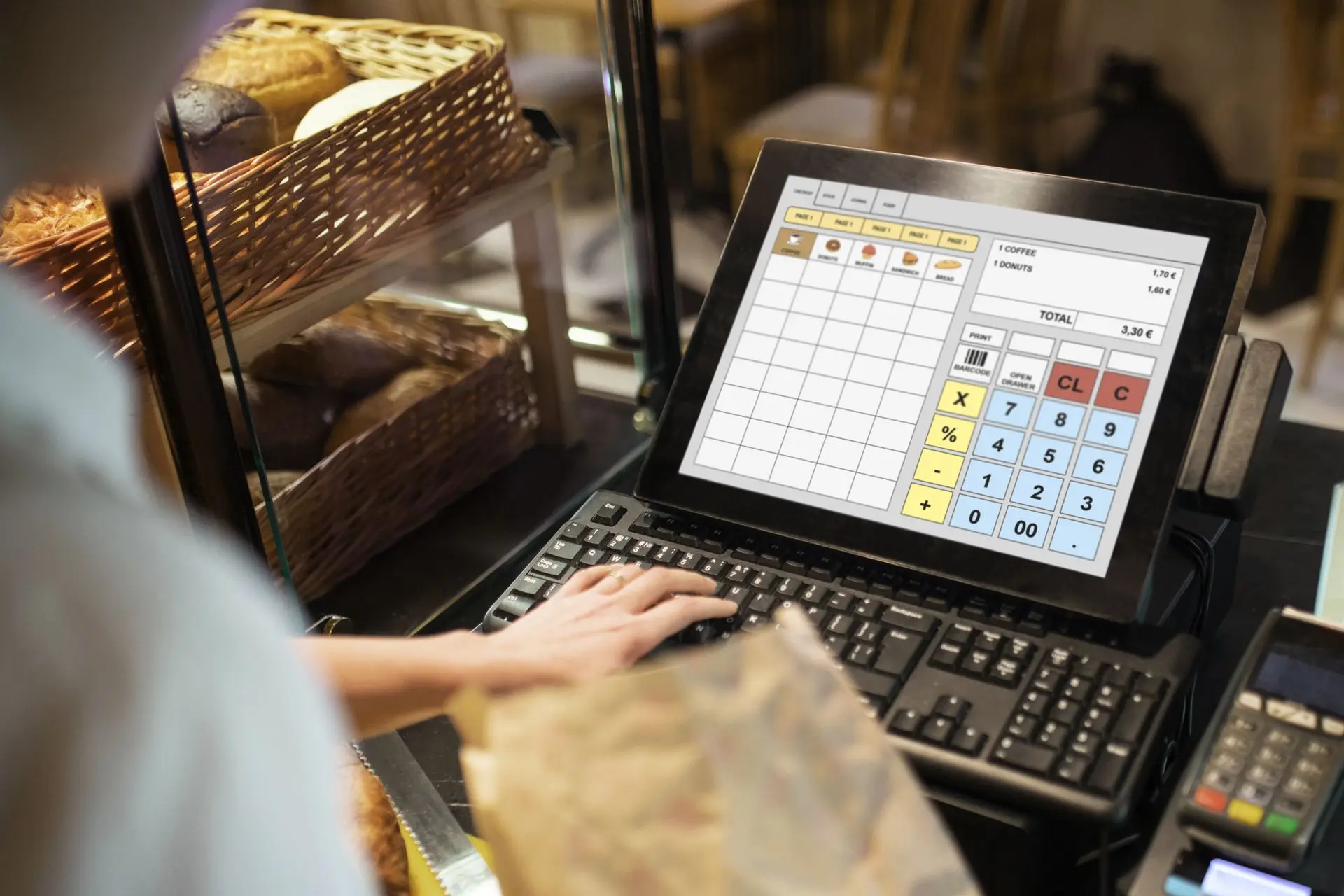
Monitor Utility Costs
Restaurants should track significant utility expenses, including:
- Electricity
- Water
- Gas
- Other operational services
Comparing actual costs against historical performance and budgets can help identify unusual increases.
Best Practice 22

Control Marketing Expenses
Marketing expenditure should be reviewed against measurable business outcomes. Management should assess:
- Campaign costs
- Customer acquisition
- Revenue generated
- Promotional effectiveness
This supports better allocation of marketing budgets.
Best Practice 23
Equipment Maintenance Costs
Kitchen and operational equipment should be maintained through structured budgeting and cost monitoring. Tracking maintenance expenses helps management distinguish between routine costs and larger replacement or capital investment requirements.

Best Practice 24

Manage Supplier Relationships and Contracts
Supplier management can have a direct impact on food costs and margins. Restaurants should periodically review:
- Purchase prices
- Payment terms
- Quality
- Delivery performance
- Contract conditions
Strong supplier management supports better cost control.
Best Practice 25
Monitor Fixed and Variable Costs
Understanding cost behaviour helps management analyse profitability under different sales conditions. Examples include:
Fixed Costs:
- Rent
- Certain administrative expenses
- Long-term service contracts
Variable Costs:
- Ingredients
- Packaging
- Delivery commissions
- Certain labour costs
This analysis supports budgeting, forecasting and profitability planning.

Section 6
Financial Reporting and Analysis
Best Practice 26

Prepare Monthly Financial Statements
Restaurants should generate:
- Profit and Loss Statements
Balance Sheets
Cash Flow Statements
Accounting platforms such as QuickBooks and Xero help automate financial reporting.
Best Practice 27
Monitor Key Performance Indicators
Important restaurant KPIs may include:
- Food Cost Percentage
- Beverage Cost Percentage
- Labour Cost Percentage
- Gross Profit Margin
- Net Profit Margin
- Average Order Value
- Inventory Turnover
- Cash Position
KPIs should be aligned with the restaurant's operational and financial objectives.

Best Practice 28

Analyse Menu Profitability
Revenue alone does not determine whether a menu item contributes positively to profitability. Restaurants should analyse:
- Selling price
- Ingredient cost
- Gross margin
- Sales volume
- Contribution to overall profitability
Best Practice 29
Conduct Weekly Financial Reviews
Regular financial reviews allow management to identify issues earlier. Weekly discussions may cover:
- Sales trends
- Food and labour costs
- Inventory variances
- Cash flow
- Major expenses
- Operational exceptions
Best Practice 30

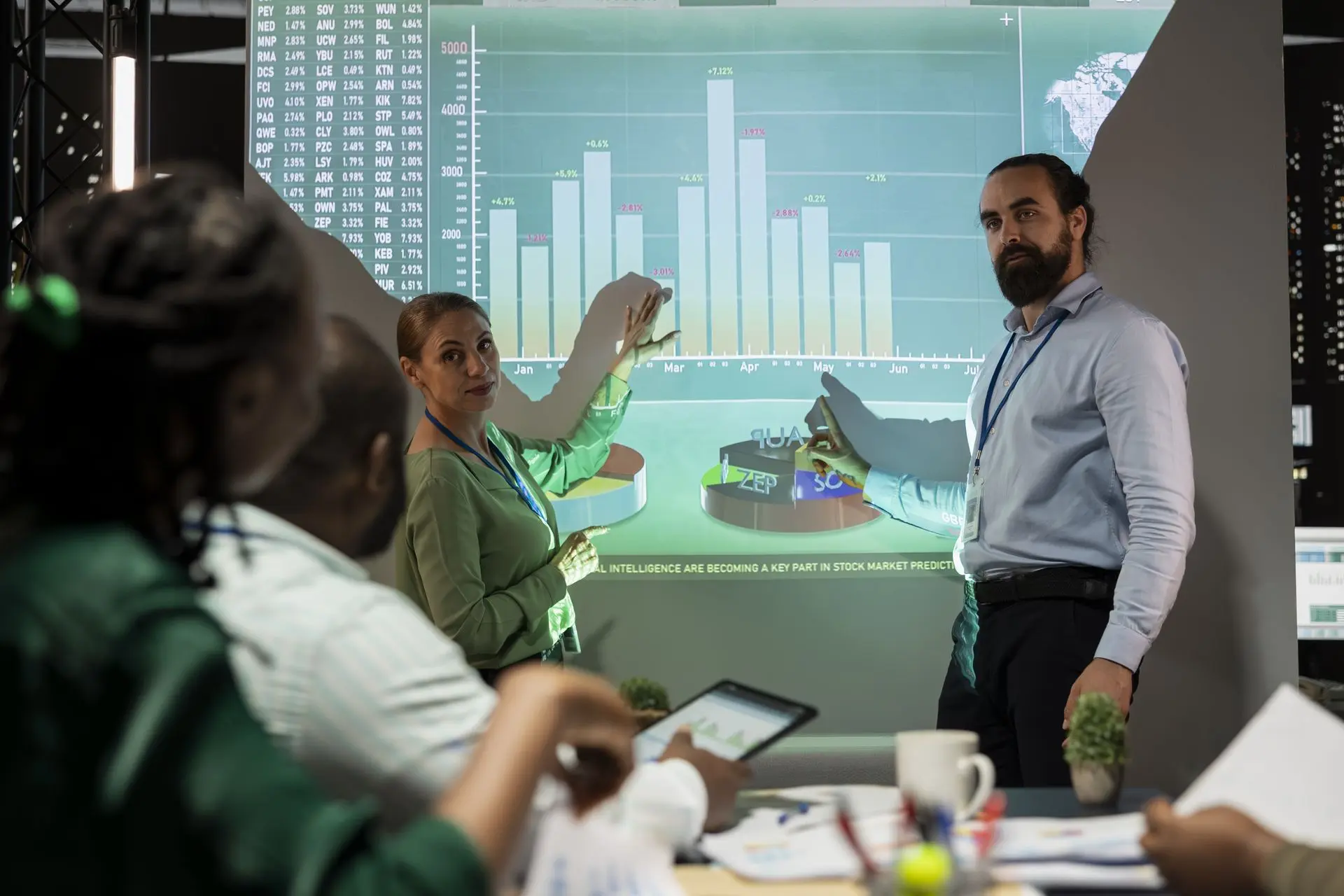
Use Financial Dashboards
Management dashboards can combine key financial and operational information into a more accessible reporting format. Dashboards may provide visibility over:
- Revenue
- Profitability
- Cash flow
- Food costs
- Labour costs
- Inventory
- Budget versus actual performance
Section 7
Technology Integration
Best Practice 31
Integrate POS and Accounting Systems
POS integration can reduce manual processing and improve the accuracy of revenue recording. A controlled integration process should ensure that sales, taxes, payment methods and adjustments are mapped correctly into the accounting system.

Best Practice 32

Implement Cloud Accounting Systems
Cloud-based accounting can improve accessibility and support timely collaboration between restaurant management and finance teams. The system should be configured with appropriate user access and internal controls.
Best Practice 33
Use Data Analytics for Operational Insights
Data analysis can help restaurants identify:
- Sales patterns
- Cost trends
- Customer behaviour
- Operational inefficiencies
- Profitability opportunities

Best Practice 34

Automate Inventory Tracking
Where operationally appropriate, automation can reduce manual data entry and improve inventory visibility. However, automated data should still be supported by regular verification and reconciliation.
Best Practice 35
Use ERP Systems for Complex or Multi-Location Operations
Growing restaurant groups may require ERP solutions to connect:
- Multiple outlets
- Central kitchens
- Inventory locations
- Procurement
- Finance
- Payroll
- Management reporting
ERP implementation should be based on business processes, reporting requirements and future scalability.

Section 8
Cash Flow Management
Best Practice 36

Monitor Daily Cash Flow
Daily monitoring of cash inflows and outflows provides early visibility into liquidity requirements. Restaurants should monitor:
- Sales receipts
- Supplier payments
- Payroll obligations
- Rent and operating expenses
- Bank balances
Best Practice 37
Maintain Emergency Cash Reserves
Maintaining appropriate cash reserves can help businesses manage unexpected expenses or temporary disruptions in revenue. The required reserve level should reflect the restaurant's operating costs and risk profile.

Best Practice 38

Maintain Structured Working Capital Controls
Restaurants should maintain clear controls over short-term financial obligations and available liquidity. This includes monitoring:
- Cash balances
- Supplier payments
- Outstanding receivables
- Short-term commitments
- Forecast funding requirements
Best Practice 39
Control Credit Sales
Restaurants offering corporate accounts or other credit arrangements should monitor:
- Outstanding balances
- Credit limits
- Payment terms
- Ageing of receivables
Strong Accounts Receivable management supports healthier cash flow.

Best Practice 40

Forecast Cash Flow
Cash flow forecasting helps management anticipate future financial requirements. Forecasts can consider:
- Expected sales
- Payroll
- Supplier payments
- Rent
- Taxes
- Capital expenditure
- Seasonal trends
Section 9
Strategic Financial Planning
Best Practice 41
Prepare Annual Budgets
Budgets establish financial targets and spending expectations. Restaurant budgets may include:
- Revenue
- Food and beverage costs
- Labour
- Operating expenses
- Capital expenditure
- Cash flow

Best Practice 42

Monitor Profit Margins
Management should regularly monitor gross and net profit margins to identify changes in financial performance. Margin analysis can reveal the impact of pricing, cost increases and operational inefficiencies.
Best Practice 43
Plan Financially for Expansion
Opening new outlets or expanding operations requires structured financial planning. Management should evaluate:
- Capital requirements
- Working capital
- Expected revenue
- Operating costs
- Break-even expectations
- Cash flow impact

Best Practice 44

Evaluate Investment Decisions
Before purchasing major equipment or opening a new location, management should evaluate expected financial returns. Useful considerations may include:
- Investment cost
- Expected cash flows
- Payback period
- Return on Investment
- Operational benefits
Best Practice 45
Benchmark Business Performance
Comparing internal performance over time and against relevant operational benchmarks can help identify improvement opportunities. Benchmarking may focus on:
- Food costs
- Labour efficiency
- Inventory turnover
- Gross margins
- Operating expenses

Section 10
Professional Accounting Support
Best Practice 46

Consider Outsourced Restaurant Accounting
Outsourcing accounting and bookkeeping functions can help restaurant owners focus on operations while experienced finance professionals manage structured financial processes. Support may include:
- Bookkeeping Services
- Bank Reconciliation
- Accounts Payable
- Accounts Receivable
- Payroll Processing
- Financial Reporting
- Management Reporting
Best Practice 47
Maintain VAT and Corporate Tax Compliance
Restaurants operating in the UAE should maintain accurate financial records to support their applicable regulatory and tax obligations. A properly maintained accounting system helps provide the transaction-level information required for:
- VAT Compliance
- VAT Return Filing
- Corporate Tax compliance
- Financial record retention
- Audit support

Best Practice 48

Implement Internal Controls
Effective internal controls help reduce the risk of:
- Fraud
- Unauthorised transactions
- Revenue leakage
- Inventory losses
- Accounting errors
Controls should cover key financial and operational processes.
Best Practice 49
Conduct Periodic Financial Reviews and Audit Support
Periodic financial reviews help verify the quality and reliability of financial information. A well-maintained accounting system and supporting documentation can also improve audit readiness.

Best Practice 50

Partner with Restaurant Accounting Specialists
Restaurants benefit from financial professionals who understand the relationship between daily operations and financial reporting. Specialist support can help strengthen:
- Accounting processes
- Bookkeeping controls
- Inventory accounting
- Financial reporting
- ERP implementation
- Management reporting
- Cash flow management
- Strategic decision-making
Build a Stronger Financial Foundation for Your Restaurant
Restaurant success depends not only on excellent food and customer experience but also on disciplined financial management. By implementing these 50 financial best practices, restaurant owners can improve:
- Cost control
- Inventory management
- Cash flow visibility
- Financial reporting
- VAT and Corporate Tax compliance
- Operational efficiency
- Profitability
- Strategic decision-making
At ALGEBRAA, we provide professional Restaurant Accounting Services, Bookkeeping Services, Financial Reporting, ERP Consulting, CFO Services and Business Advisory Services for restaurants and hospitality businesses across Dubai, the UAE and the GCC. Our objective is to help your business turn daily operational data into reliable financial intelligence, stronger controls and sustainable growth. The rewritten structure above is based on the complete 50-practice framework provided in your uploaded content.

Start Your Business Journey With Us