EVENT MANAGEMENT COMPANIES – ACCOUNTING & BOOKKEEPING WORKFLOW
Why Workflow Matters in Event Accounting
Event management companies in the UAE operate in a multi-layered financial environment where several activities may happen simultaneously. These can include:
- Multiple events running at the same time
- Inventory moving between warehouses and event locations
- Labour, freelancers and subcontractors being allocated dynamically
- Customer payments received through multiple channels
- Event-specific purchasing and expenses
- Vendor and supplier payments
- Advance collections and milestone billing

Without a structured accounting workflow, event businesses can experience:
- Data inconsistencies
- Cost leakages
- Delayed bookkeeping
- Reconciliation issues
- Reporting delays
- Poor event-level profitability tracking
- Limited cash-flow visibility
ALGEBRAA provides Accounting and Bookkeeping Services in Dubai and across the UAE, helping event management companies establish structured, scalable and technology-enabled accounting workflows. Our approach connects the operational event lifecycle with job costing, inventory, labour, vendor management, accounting, financial reporting and KPI monitoring.
OBJECTIVES OF AN EFFECTIVE ACCOUNTING WORKFLOW
A properly designed event accounting workflow should help businesses:
✔ Maintain timely financial visibility
✔ Enable event-wise job costing
✔ Integrate inventory, labour and accounting information
✔ Improve data flow between systems
✔ Reduce duplicate manual entries
✔ Strengthen financial controls
✔ Improve reporting accuracy
✔ Support management decision-making
✔ Support VAT and Corporate Tax accounting processes
✔ Create a scalable financial operating structure
COMPLETE ACCOUNTING & BOOKKEEPING WORKFLOW FOR EVENT COMPANIES
STAGE 1: EVENT INITIATION & BOOKING
The accounting process begins when the event is confirmed.
Key Activities
- Client contract creation
- Event budget preparation
- Customer advance recording
- Event creation in the accounting or ERP system
- Assignment of event code or cost center
Accounting Treatment
Where applicable:
- Record customer advances appropriately
- Create the event as a cost center or job code
- Establish the initial event budget
- Set up relevant revenue and cost tracking
Outcome
A financial structure is established before event-related costs begin accumulating.

STAGE 2: PROCUREMENT & VENDOR MANAGEMENT

Once the event is initiated, procurement activities can begin.
Key Activities
- Purchase requests
- Vendor selection
- Purchase order creation
- Vendor advance management
- Supplier invoice processing
Accounting Flow
- Record purchase orders where the system supports them
- Track vendor advances
- Capture supplier invoices
- Allocate applicable costs to the relevant event
- Reconcile vendor balances
Best Practice
Use structured approval workflows to control event procurement and prevent unauthorized or unnecessary spending.
Outcome
Better visibility and control over event procurement costs.
STAGE 3: INVENTORY MANAGEMENT
Event businesses may use equipment, décor, materials, consumables and other inventory across multiple projects.
Key Activities
- Issue materials for events
- Track inventory movements
- Record returns after events
- Monitor damaged items
- Identify losses or shortages
Accounting Integration
Where supported by the system:
- Link inventory consumption to event costs
- Update stock balances
- Track event-wise consumption
- Reconcile physical and system quantities
Outcome
Better inventory control and more reliable event costing.

STAGE 4: LABOUR & RESOURCE ALLOCATION

Labour is a significant cost component for many event businesses.
Key Activities
- Assign permanent staff
- Allocate freelancers
- Assign event crews
- Track working hours
- Monitor overtime
- Monitor idle time
Accounting Flow
- Capture timesheets where applicable
- Calculate or record labour costs
- Allocate relevant labour costs to events
- Monitor labour cost variances
Outcome
Improved visibility into labour costs and resource utilization by event.
STAGE 5: EVENT EXECUTION & LIVE TRACKING
During event execution, management needs visibility into actual spending.
Key Activities
- Monitor event costs
- Track event-related expenses
- Monitor vendor spending
- Track inventory consumption
- Compare actual costs with the event budget
Accounting Flow
- Update job costs as transactions are recorded
- Compare budget versus actual costs
- Identify significant cost variances
- Escalate exceptions where appropriate
Outcome
Earlier visibility into cost overruns and improved event cost control.

STAGE 6: BILLING & REVENUE RECOGNITION

Once billing milestones are reached, customer invoicing and revenue accounting are processed according to the applicable contractual and accounting requirements.
Key Activities
- Generate customer invoices
- Track milestone billing
- Record final billing
- Monitor outstanding receivables
Accounting Treatment
Depending on the applicable accounting treatment:
- Process invoices
- Adjust relevant customer advances
- Recognize revenue appropriately
- Update accounts receivable
Outcome
More accurate revenue and receivables reporting.
STAGE 7: PAYMENT & RECONCILIATION
Event businesses may receive customer payments through different channels.
These may include:
- Card/POS transactions
- Bank transfers
- Payment gateways
- Other approved payment channels
Key Activities
- Record customer collections
- Match payments against invoices
- Reconcile bank transactions
- Reconcile payment gateway or POS transactions where applicable
Accounting Flow
Payment → Matching → Reconciliation → Exception Resolution
Outcome
Cleaner financial records and improved visibility over outstanding customer balances.

STAGE 8: JOB CLOSURE & PROFITABILITY ANALYSIS

Once the event is completed, the financial performance of the event should be reviewed.
Key Activities
- Complete final cost allocation
- Verify event-related expenses
- Reconcile inventory consumption
- Review vendor costs
- Review labour costs
- Calculate event profitability
Reports
Management can review:
- Event-wise revenue
- Event-wise direct costs
- Labour costs
- Inventory costs
- Vendor costs
- Budget versus actual
- Gross margin
- Event profitability
Outcome
Clearer financial insight into the profitability of each completed event.
STAGE 9: MIS REPORTING & DASHBOARDS
The final stage converts accounting data into management information.
Key Reports
- Daily operational reports
- Weekly performance reports
- Monthly financial reports
- Event profitability reports
- Budget-versus-actual reports
- Cash-flow reports
- Receivables and payables reports
Management Insights
Dashboards can provide visibility into:
- Revenue trends
- Event costs
- Profitability
- Cash flow
- Inventory
- Labour costs
- Vendor costs
- KPIs
Outcome
Better financial visibility and more informed management decisions.
SYSTEM INTEGRATION (CRITICAL SUCCESS FACTOR)

An integrated event accounting environment can connect:
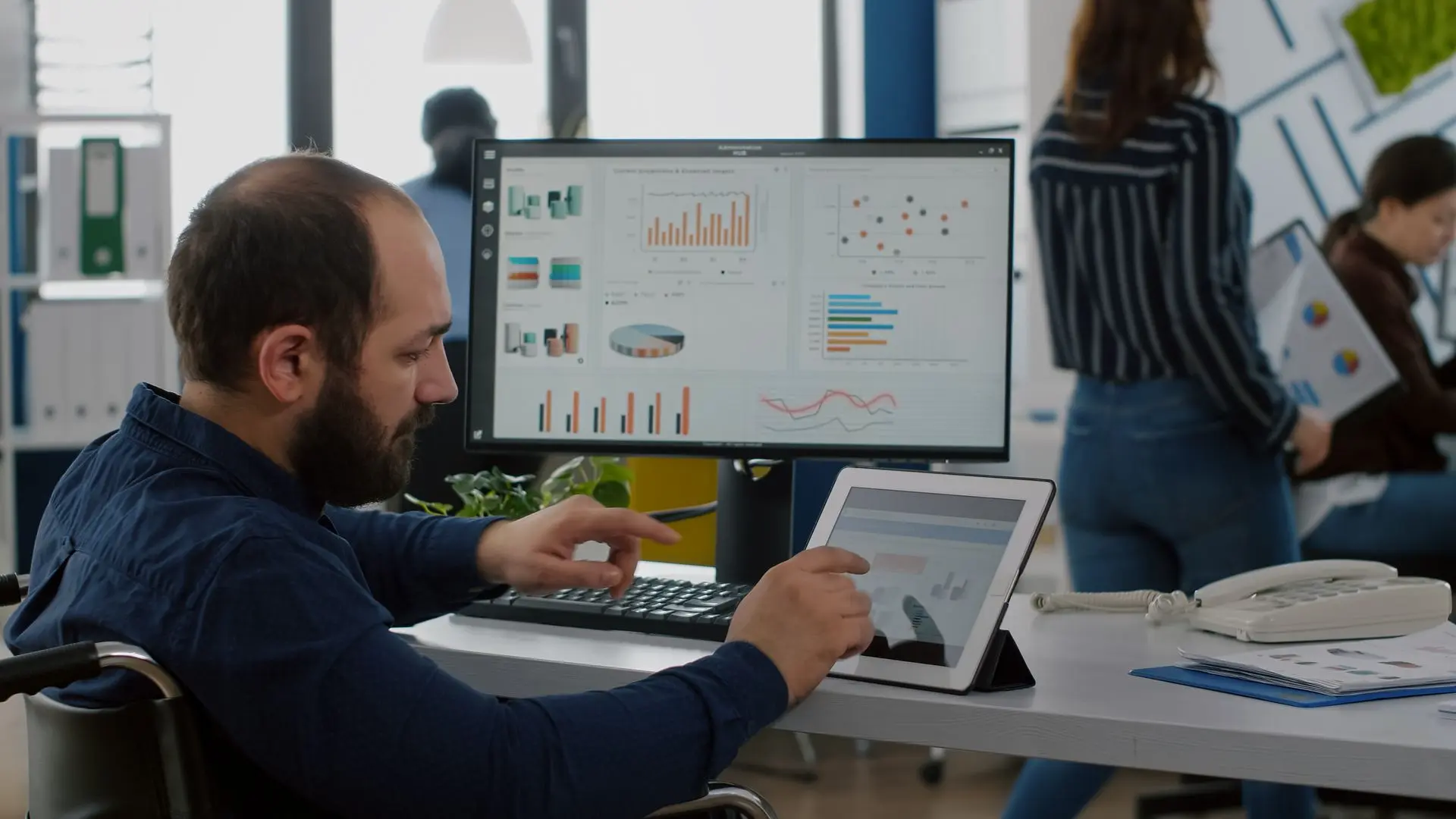
POS → Inventory → Job Costing → Accounting → MIS Dashboard
Where the existing systems support such integration, this approach can help provide:
✔ More automated data flow
✔ Faster financial updates
✔ Reduced duplicate data entry
✔ Improved consistency between operational and accounting records
✔ Better event-level reporting
The exact integration architecture should be determined by the company's existing ERP, accounting, POS and event management systems.
UAE VAT & CORPORATE TAX ACCOUNTING WORKFLOW
An effective accounting workflow should also support the company's UAE compliance and financial reporting requirements.
Relevant processes may include:
- VAT transaction recording
- Input and output VAT tracking
- VAT return preparation support
- Corporate Tax accounting
- Financial statement preparation
- Audit support
- Reconciliation of tax-related accounts
- Supporting documentation
A structured workflow helps ensure that financial information is consistently captured and available for appropriate reporting and compliance processes.

HOW ALGEBRAA IMPLEMENTS THE ACCOUNTING WORKFLOW

STEP 1: REQUIREMENT GATHERING
We begin by understanding:
- Business model
- Event lifecycle
- Existing accounting system
- ERP environment
- Inventory processes
- Labour structure
- Vendor processes
- Reporting requirements
We also identify accounting and workflow gaps.
STEP 2: WORKFLOW DESIGN
We map the complete event lifecycle and define the financial processes associated with each stage.
This may include:
- Event creation
- Budgeting
- Procurement
- Inventory
- Labour
- Vendor billing
- Customer billing
- Collections
- Reconciliation
- Event closure
- Profitability reporting

STEP 3: SYSTEM SETUP & INTEGRATION
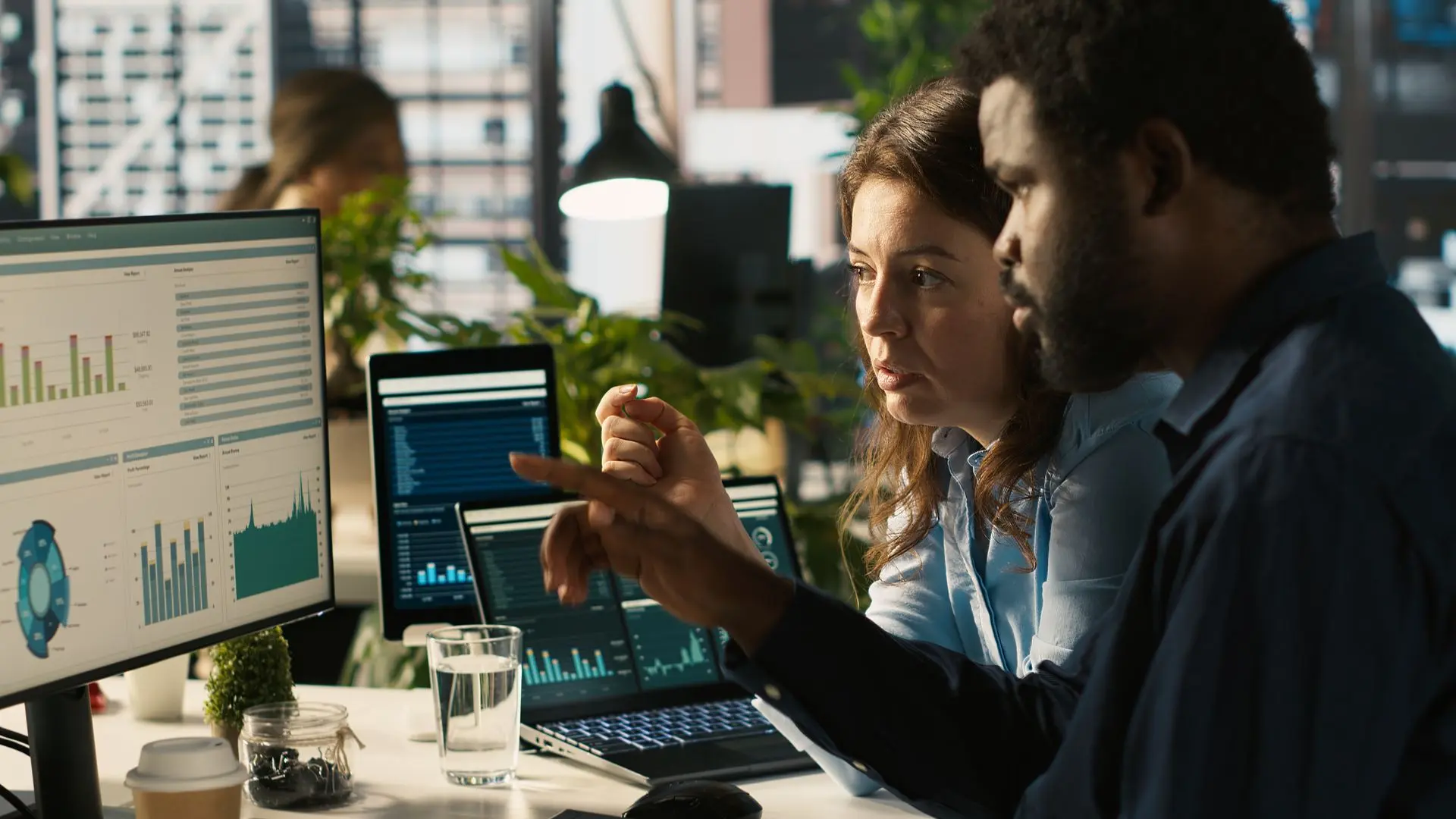
Where required, ALGEBRAA can support:
- ERP configuration
- Accounting system setup
- Module integration
- Job costing configuration
- Inventory integration
- Reporting configuration
The objective is to create a controlled flow of information from operations into accounting and management reporting.
STEP 4: AUTOMATION
Suitable repetitive processes can be automated through:
- Automated data entry
- Approval workflows
- Invoice workflows
- Reconciliation processes
- Cost allocation
- Reporting processes
- Exception alerts
Automation should be implemented selectively based on the company's systems, processes and control requirements.


STEP 5: REPORTING SETUP
Management reporting can include:
- KPI dashboards
- Event profitability reports
- Budget-versus-actual reports
- Cash-flow reports
- MIS reports
- Receivables and payables reports
The objective is to ensure management receives relevant financial information in a timely and usable format.
STEP 6: CONTINUOUS MONITORING
Accounting workflow implementation should be followed by ongoing review.
ALGEBRAA can support:
- Regular accounting reviews
- KPI monitoring
- Process reviews
- Reporting reviews
- Control assessments
- Management discussions
A dedicated account-management structure can provide continuity throughout the engagement.


REAL-WORLD USE CASE
Scenario: UAE Event Company Managing Multiple Events
An event management company is managing several events simultaneously but has limited financial visibility across its projects.
Challenges
- Inventory confusion
- Labour cost misallocation
- Delayed reporting
- Limited event-level profitability visibility
- Manual reconciliation
ALGEBRAA Solution
✔ Integrated accounting workflow
✔ Automated or structured job costing
✔ Inventory tracking
✔ Labour cost allocation
✔ Real-time or timely management reporting
Expected Outcome
- Improved operational efficiency
- Reduced accounting errors
- Better event profitability visibility
- Stronger cost control
- Improved management reporting
Actual results depend on the company's existing systems, processes, data quality and implementation scope.
WHY ALGEBRAA?
✔ Specialized Accounting Approach for Event Management Businesses
✔ Expertise in Accounting Workflow Design & ERP Integration
✔ Experience Across 26+ Global Accounting & ERP Platforms
✔ Event-Level Job Costing & Profitability Analysis
✔ Inventory, Labour & Vendor Cost Integration
✔ MIS & KPI Reporting
✔ VAT & Corporate Tax Accounting Support
✔ Dedicated Account Management
✔ UAE & GCC Business Support
ALGEBRAA's objective is to create more than a bookkeeping process.
We help event management companies build a structured financial workflow connecting the event lifecycle with accounting, costing, reporting and management decision-making.


STREAMLINE YOUR EVENT ACCOUNTING WORKFLOW
Poor financial processes can create unnecessary costs, reporting delays and limited profitability visibility.
Build a structured workflow covering:
Event Booking → Procurement → Inventory → Labour → Event Execution → Billing → Reconciliation → Profitability → MIS Reporting
With the right accounting workflow, your finance function can become more organized, transparent and scalable.
Upgrade your financial knowledge and systems today
Streamline Your Accounting Workflow Today
Don’t let poor processes affect your profitability.
Contact us now for a free consultation.
