MICROSOFT DYNAMICS AX ACCOUNTING SERVICES FOR POWER AND ENERGY
ALGEBRAA supports power and energy businesses across the UAE and GCC with Microsoft Dynamics AX accounting, financial management and ERP consulting services. We help organisations involved in power generation, transmission, distribution and energy infrastructure improve financial control, monitor operational costs and strengthen reporting across asset-intensive operations. The power sector requires disciplined financial management to oversee fuel procurement, plant maintenance, capital expenditure, long-term contracts and high-value infrastructure assets. ALGEBRAA helps businesses align Microsoft Dynamics AX workflows with their accounting policies, internal controls and operational requirements, supporting consistent financial processes across plants, projects, subsidiaries and business units. Our approach focuses on financial visibility, cost governance, asset accounting, procurement controls and management reporting to help CFOs, finance teams and operational leaders make informed decisions.

Enterprise Financial Governance for Capital-Intensive Power Operations
- Centralised Record-to-Report: Standardise month-end and year-end closing procedures across power plants, subsidiaries and holding entities.
- Controlled Financial Ledgers: Support general ledger, accounts payable, accounts receivable, cash management and bank reconciliation workflows through appropriate system configuration.
- Transaction Traceability and Audit Support: Use available transaction records, approval histories and control procedures to support financial reviews and audit preparation.
- Multi-Entity Financial Reporting: Improve visibility into financial results across plants, projects and legal entities through structured reporting and consolidation processes where supported.
Business Outcomes: More consistent financial reporting, improved visibility into financial positions and stronger oversight of accounting processes across power operations.
Generation Cost Control and Margin Management
- Plant-Level Cost Accounting: Track and analyse fuel, operating, maintenance and overhead costs by plant, unit, department or project.
- Budget and Variance Analysis: Compare planned and actual expenditure to identify cost variations and support operational reviews.
- Tariff and Revenue Analysis: Review energy sales, contract revenue and relevant operating costs to understand cost recovery and profitability drivers.
- Performance Reporting: Develop financial reports that help management assess cost efficiency and compare results across operating units.
Business Outcomes: Better visibility into generation costs, stronger budget control and improved financial information for margin management and resource allocation.


Fuel Procurement and Supply Chain Governance
- Procure-to-Pay Management: Support purchasing, supplier invoicing and payment approval processes for fuel, consumables, equipment and maintenance services.
- Supplier and Contract Controls: Improve oversight of supplier records, agreed pricing, purchase approvals and contractual expenditure.
- Inventory and Consumption Tracking: Monitor fuel, spare parts and maintenance materials through available inventory and accounting functionality.
- Working Capital Management: Review supplier liabilities, inventory values and payment schedules to support cash flow planning.
Business Outcomes: Better procurement oversight, improved visibility into inventory costs and stronger working capital management.
Asset Lifecycle and Infrastructure Financial Control
- Fixed Asset Accounting: Maintain financial records for turbines, boilers, substations, transmission lines, distribution equipment and supporting infrastructure.
- Depreciation and Asset Valuation: Support depreciation calculations and relevant impairment, revaluation or disposal accounting in accordance with applicable accounting policies and system capabilities.
- Capital Expenditure Governance: Structure approval and reporting workflows for plant upgrades, infrastructure expansion and modernisation projects.
- Asset Cost Visibility: Review capitalised costs, depreciation charges and project expenditure to support long-term financial planning.
Business Outcomes: More consistent asset records, improved capital expenditure oversight and clearer visibility into the financial value and lifecycle costs of infrastructure assets.


Maintenance, Reliability and Cost Transparency
- Maintenance Cost Tracking: Improve financial visibility into preventive maintenance, planned servicing and breakdown-related expenditure.
- Spare Parts Management: Support inventory monitoring and cost reporting for critical components and maintenance materials.
- Maintenance Expenditure Analysis: Compare maintenance costs across plants, assets and reporting periods to identify cost variations.
- Cost and Performance Reporting: Where operational data is available through suitable systems or integrations, compare maintenance expenditure with asset availability and performance indicators.
Business Outcomes: Better understanding of maintenance expenditure, improved spare parts cost visibility and more informed asset lifecycle decisions.
Physical asset monitoring, predictive maintenance and equipment reliability management may require specialist operational systems or integrations beyond core financial management functionality.
Revenue Recognition and Power Sales Accounting
- Order-to-Cash Processes: Support customer billing, receivables management and collection monitoring for energy sales and power offtake agreements.
- Contract and Tariff Accounting: Organise contract-related financial information, pricing terms and billing schedules according to business requirements.
- Revenue Recognition Support: Structure accounting workflows to support applicable revenue recognition policies, including IFRS 15 where relevant.
- Cash Flow Visibility: Monitor receivables, outstanding invoices and collection trends to support liquidity planning.
Business Outcomes: Improved visibility into energy revenue, stronger receivables monitoring and more informed cash flow management.
Revenue recognition depends on contract terms, applicable accounting policies, available system functionality and appropriate professional review.


Multi-Entity and Multi-Location Accounting
- Intercompany Accounting: Support recording, reconciliation and reporting of transactions between generation entities, transmission businesses, subsidiaries and holding companies.
- Multi-Currency Transactions: Manage relevant foreign currency transactions and reporting requirements for cross-border projects where supported by the system configuration.
- Consolidated Financial Reporting: Support group-level reporting through suitable consolidation processes, configurations or connected applications.
- Standardised Reporting Procedures: Establish consistent accounting and reconciliation practices across locations and business units.
Business Outcomes: Improved group-level financial visibility, more consistent reporting and stronger coordination between central finance teams and operational entities.
Regulatory Compliance and Internal Control Management
- Segregation of Duties: Structure user access and responsibilities across finance, procurement and other business functions to help reduce conflicting permissions.
- Approval and Workflow Controls: Configure supported approval processes for financial transactions, purchasing and capital expenditure.
- Audit Preparation: Organise accounting, asset and procurement records to help finance teams respond to audit and review requests.
- UAE Tax and Statutory Reporting Support: Structure financial data and reporting processes to support applicable UAE VAT, Corporate Tax and statutory obligations.
Business Outcomes: Stronger financial accountability, better documentation and improved oversight of compliance-related processes.
System controls alone do not guarantee regulatory compliance. Effective compliance also depends on accurate data, documented procedures, appropriate configuration and review by qualified finance and tax professionals.

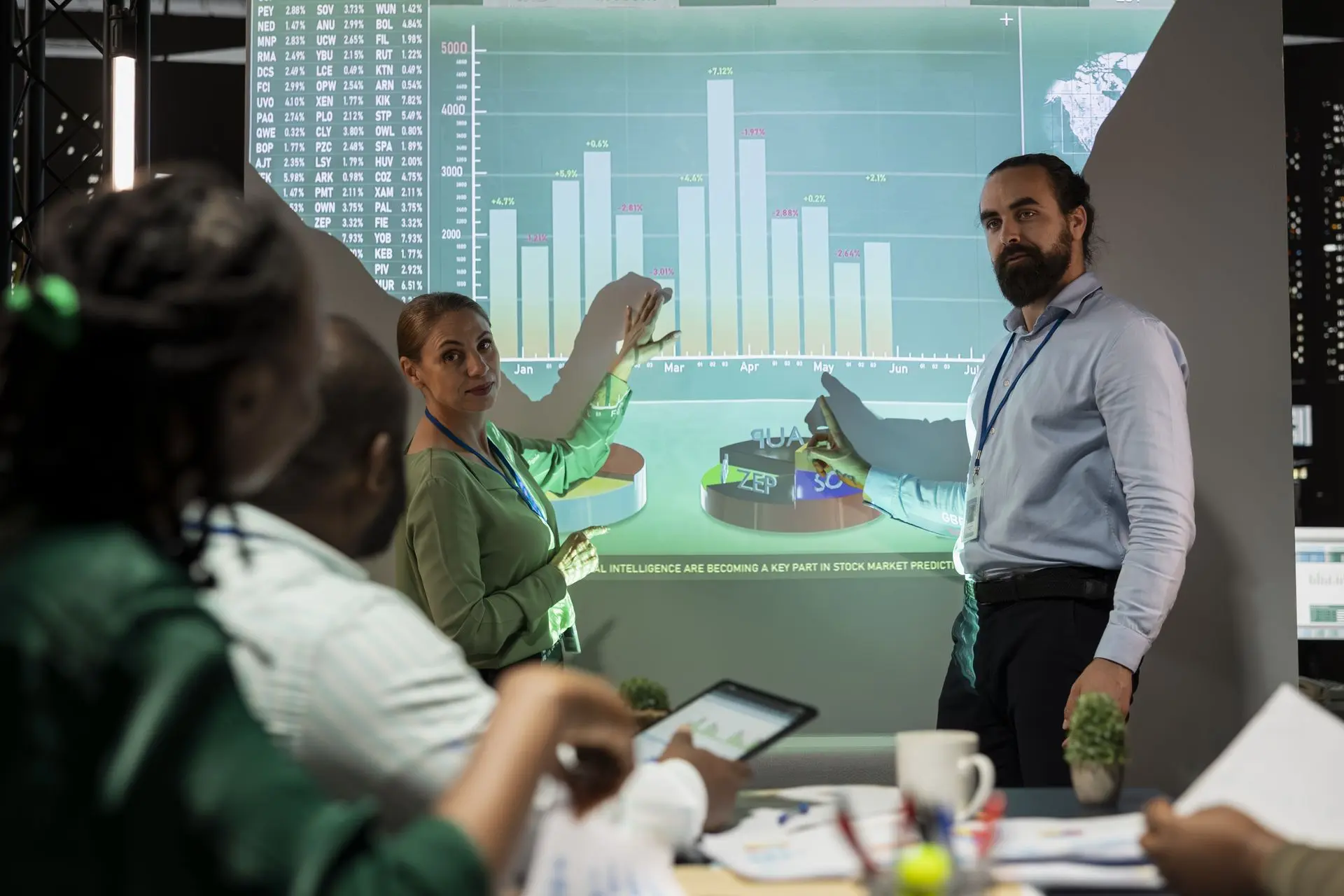
Budgeting, Forecasting and Scenario Planning
- Operationally Aligned Budgets: Develop financial budgets reflecting fuel costs, maintenance requirements, operating expenditure and planned capital projects.
- Rolling Forecasts: Update financial forecasts using current business information and revised operating assumptions.
- Scenario Analysis: Assess the potential financial impact of fuel price changes, planned outages, project delays and other business risks using available planning tools.
- Capital Planning: Compare project budgets, expected expenditure and available financial resources to support investment decisions.
Business Outcomes: Better financial planning, clearer visibility into budget variances and stronger support for management decisions.
Advanced planning models and predictive analytics may require additional applications, reporting tools or integrations, depending on the organisation’s requirements.
Executive Reporting and Performance Intelligence
- CFO and COO Reporting: Provide structured visibility into costs, margins, cash flow, capital expenditure and asset-related financial information.
- MIS and Financial Reporting: Prepare management reports and financial schedules to support business reviews and statutory reporting processes.
- Operational KPI Analysis: Where relevant data is available, connect financial information with indicators such as plant availability, heat rates, capacity factors and operating efficiency.
- Performance and Variance Monitoring: Compare actual results with budgets, forecasts and prior periods to identify financial trends and areas requiring attention.
Business Outcomes: Clearer financial performance reporting, more informed investment decisions and improved visibility for executive management.


Commercial, Financial and Legal Impact
Microsoft Dynamics AX can support structured financial management and reporting across power and energy operations when configured around the organisation’s business processes.
- Financial Process Standardisation: Align accounting and reporting workflows across plants, projects, subsidiaries and business units.
- Cost and Cash Flow Visibility: Improve analysis of operating costs, contract revenue, capital expenditure and working capital.
- Audit and Compliance Support: Strengthen supporting documentation, reconciliations and internal review procedures.
- Contract and Project Oversight: Improve financial tracking for power purchase agreements, infrastructure projects and long-term commercial commitments.
- Scalable Financial Processes: Review ERP configuration and reporting needs as the organisation expands or changes its operating structure.
Business Outcomes: Improved financial oversight, stronger accountability and more reliable information for operational planning and strategic decision-making.
Global Accounting Standards and UAE Compliance Alignment
ALGEBRAA helps power and energy businesses structure Microsoft Dynamics AX financial processes around their applicable accounting policies and reporting framework. Depending on business requirements and system capabilities, this may include general ledger management, fixed asset accounting, revenue-related workflows, intercompany transactions and consolidated reporting. For businesses operating in the UAE, accounting processes should also support applicable VAT, Corporate Tax and statutory reporting obligations. Companies operating across the GCC may need additional processes to address the tax and financial reporting requirements of each jurisdiction. Microsoft Dynamics AX does not automatically guarantee compliance with IFRS, local tax legislation or every statutory reporting framework. Appropriate configuration, reliable source data, documented internal controls and review by qualified accounting and tax professionals remain essential.
Outcome: Improved financial transparency, more consistent reporting procedures and stronger oversight across power generation, transmission and distribution operations.


Our Commitment to Power and Energy Business Excellence
ALGEBRAA helps power and energy businesses across the UAE and GCC improve accounting processes, asset cost visibility and financial governance through Microsoft Dynamics AX consulting and support. Our service approach focuses on:
- Financial Governance: Improve accounting consistency, reconciliations and reporting procedures across operating entities.
- Cost Management: Strengthen visibility into fuel, maintenance, procurement and project expenditure.
- Asset Accounting: Support structured financial management of power plants, transmission infrastructure and distribution assets.
- Compliance Support: Organise financial records to support applicable VAT, Corporate Tax, statutory reporting and audit requirements.
- Management Decision Support: Provide reliable financial information for budgeting, forecasting, investment planning and business reviews.
With a focus on practical ERP processes and financial control, ALGEBRAA helps power and energy businesses assess their Microsoft Dynamics AX environment, address reporting challenges and improve financial visibility in line with their operational needs.