Restaurant Accounting Automation
How Technology is Transforming Restaurant
Financial Management
The restaurant industry in the UAE and GCC is becoming increasingly technology-driven. High transaction volumes, multiple sales channels, changing ingredient costs, delivery platforms, workforce expenses and complex operational workflows require a more efficient approach to financial management. Traditional manual accounting processes can make it difficult for restaurant owners to maintain accurate financial records, monitor profitability and respond quickly to operational issues. Modern restaurants are increasingly adopting automated accounting systems that integrate Point of Sale (POS) platforms, inventory management, recipe costing, payment reconciliation and financial reporting. At ALGEBRAA, we help restaurants, cafés, QSR brands, food franchises and multi-location hospitality businesses implement integrated accounting automation frameworks. Our solutions improve financial visibility, strengthen cost control, support VAT and Corporate Tax compliance, and provide management with timely information for strategic decision-making.

Why Restaurant Accounting Needs Automation
Restaurants generate significant volumes of financial and operational data every day, including:
- Dine-in, takeaway and delivery sales
- Ingredient purchases and inventory movements
- Food and beverage consumption
- Employee costs and payroll expenses
- Supplier invoices and payments
- Card, digital wallet and online payment settlements
- Discounts, promotions and service charges
When these processes are managed manually or across disconnected systems, businesses may experience:
- Delayed financial reporting
- Data entry errors
- Revenue reconciliation issues
- Inaccurate inventory records
- Limited visibility over food and labour costs
- Increased administrative workload
- Delayed management decisions
Restaurant accounting automation creates a connected financial ecosystem where operational data can flow efficiently into the accounting and reporting framework. This allows management to focus on profitability, operational performance and business growth rather than manual data processing.
Key Technologies Transforming Restaurant Accounting
Restaurant financial management is evolving through the integration of several connected technologies.
POS Systems:
Modern POS systems capture and categorise restaurant transactions, including:
- Dine-in sales
- Takeaway orders
- Online delivery orders
- Catering revenue
- Discounts and promotional offers
- VAT and applicable charges
- Different payment methods
When integrated correctly with accounting software, POS data can support more accurate revenue accounting and faster financial reporting.


Inventory Management Systems:
Inventory systems help restaurants monitor:
- Ingredient purchases
- Stock levels
- Stock transfers
- Kitchen consumption
- Wastage and spoilage
- Inventory valuation
Integration between inventory and accounting systems improves Cost of Goods Sold (COGS) tracking and provides better visibility into food and beverage costs.
Recipe Costing Platforms:
Recipe costing technology calculates the cost of individual menu items based on:
- Ingredient quantities
- Purchase prices
- Portion sizes
- Supplier cost changes
When ingredient costs change, businesses can review the impact on dish profitability and menu margins more quickly. This supports better pricing decisions and improved profitability management.
Accounting and ERP Software
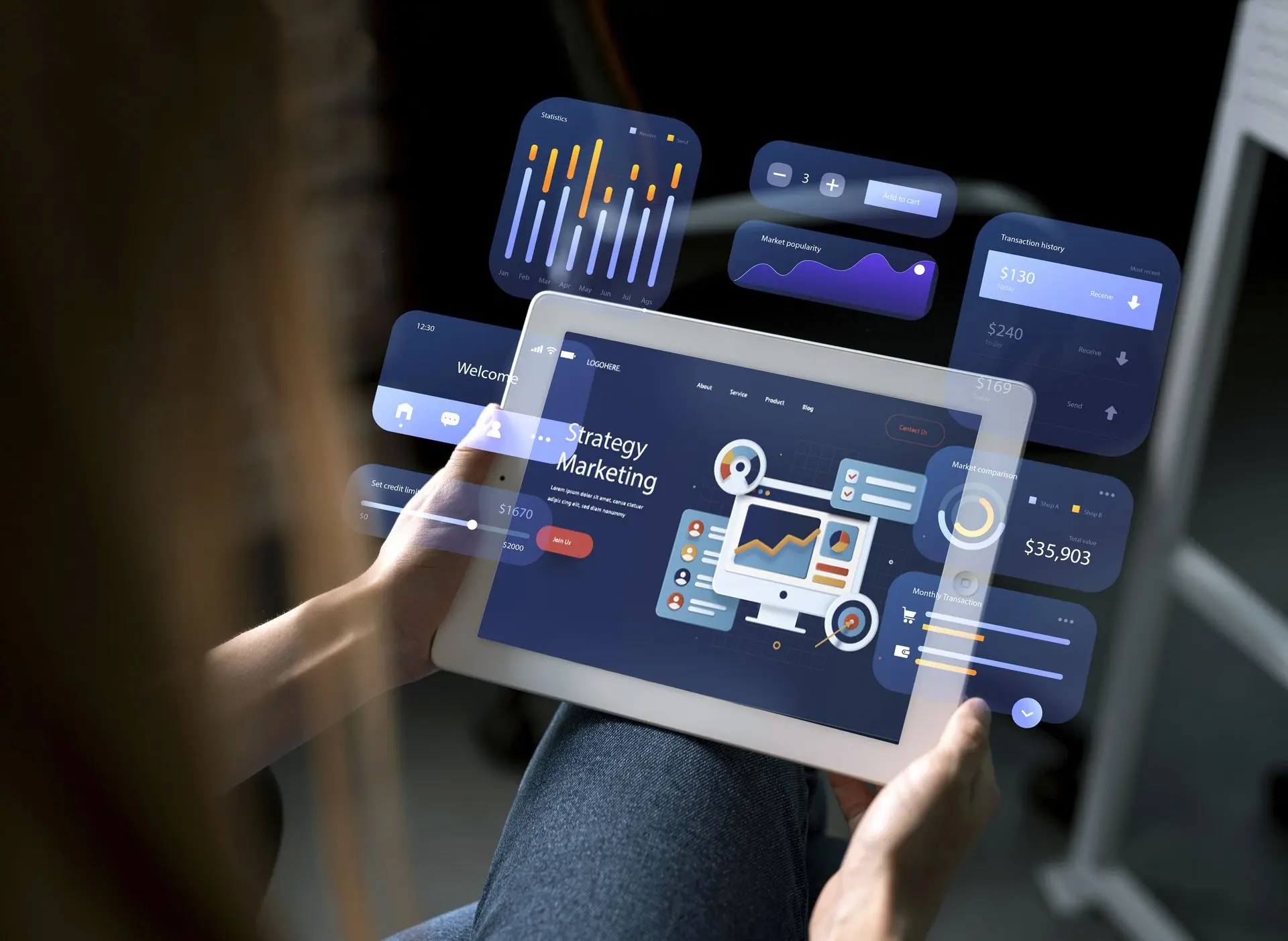
Accounting and ERP platforms consolidate financial data from restaurant operations and support:
- Bookkeeping
- Accounts payable
- Accounts receivable
- Bank reconciliation
- Payroll accounting
- VAT compliance
- Corporate Tax compliance
- Financial reporting
- Management reporting
For growing restaurant groups, integrated systems can also improve financial visibility across multiple branches, outlets or business locations.
Data Analytics and Business Intelligence
Advanced reporting and business intelligence tools provide management with real-time or near-real-time access to key financial and operational metrics. These may include:
- Daily revenue
- Food cost percentage
- Labour cost percentage
- Prime cost
- Inventory turnover
- Menu profitability
- Sales by location
- Sales channel performance
This level of financial visibility supports faster and more informed strategic decision-making.
Key Areas of Restaurant Accounting Automation

1. Automated Sales Recording
POS systems can automatically capture restaurant sales across multiple revenue channels, including:
- Dine-in orders
- Takeaway orders
- Delivery platforms
- Catering services
- Digital ordering channels
Through proper integration, sales information can be transferred into the accounting system with less manual intervention.
Key Benefits:
- Faster revenue recording
- Improved financial accuracy
- Reduced manual data entry
- More timely management reporting
- Better revenue visibility
2. Payment Reconciliation Automation
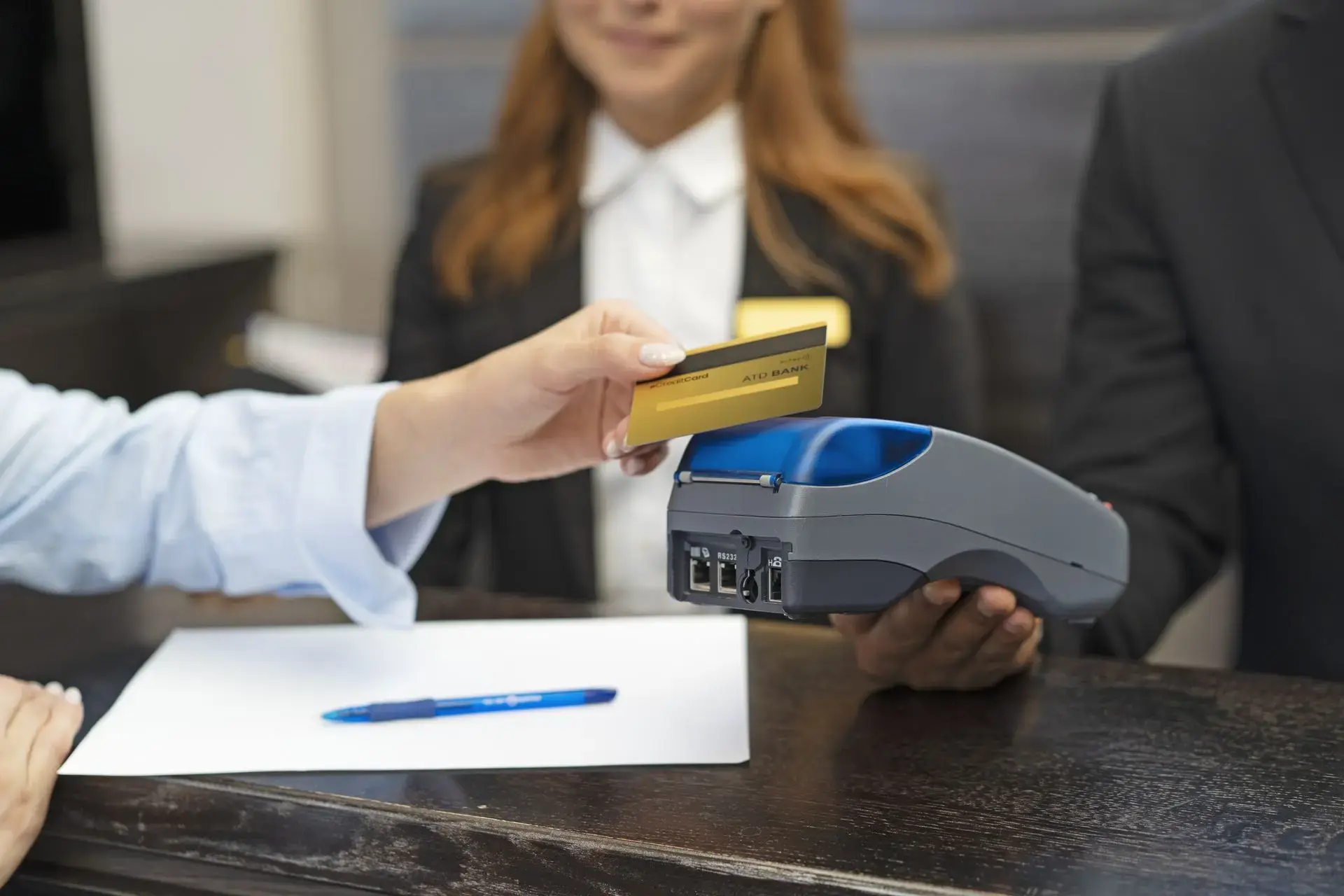
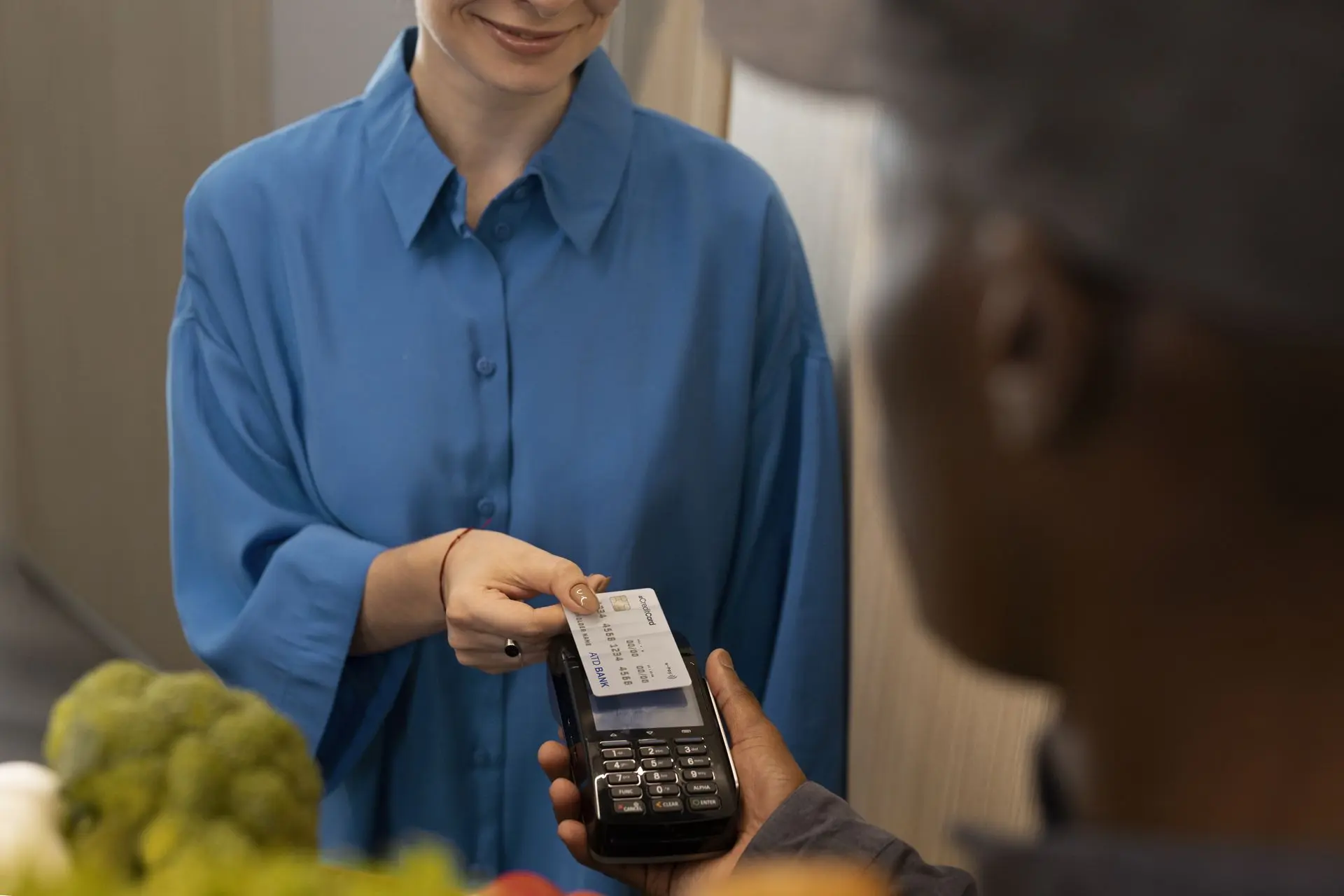
Restaurants receive payments through multiple channels, including:
- Cash
- Credit cards
- Debit cards
- Digital wallets
- Online payment gateways
- Food delivery platforms
Automated reconciliation processes help match POS sales with payment processor settlements and bank deposits. This can help identify:
- Missing settlements
- Duplicate transactions
- Timing differences
- Unexplained variances
- Incorrect deductions or commissions
Accurate reconciliation strengthens internal controls and reduces the risk of revenue leakage.
3. Inventory Tracking Automation
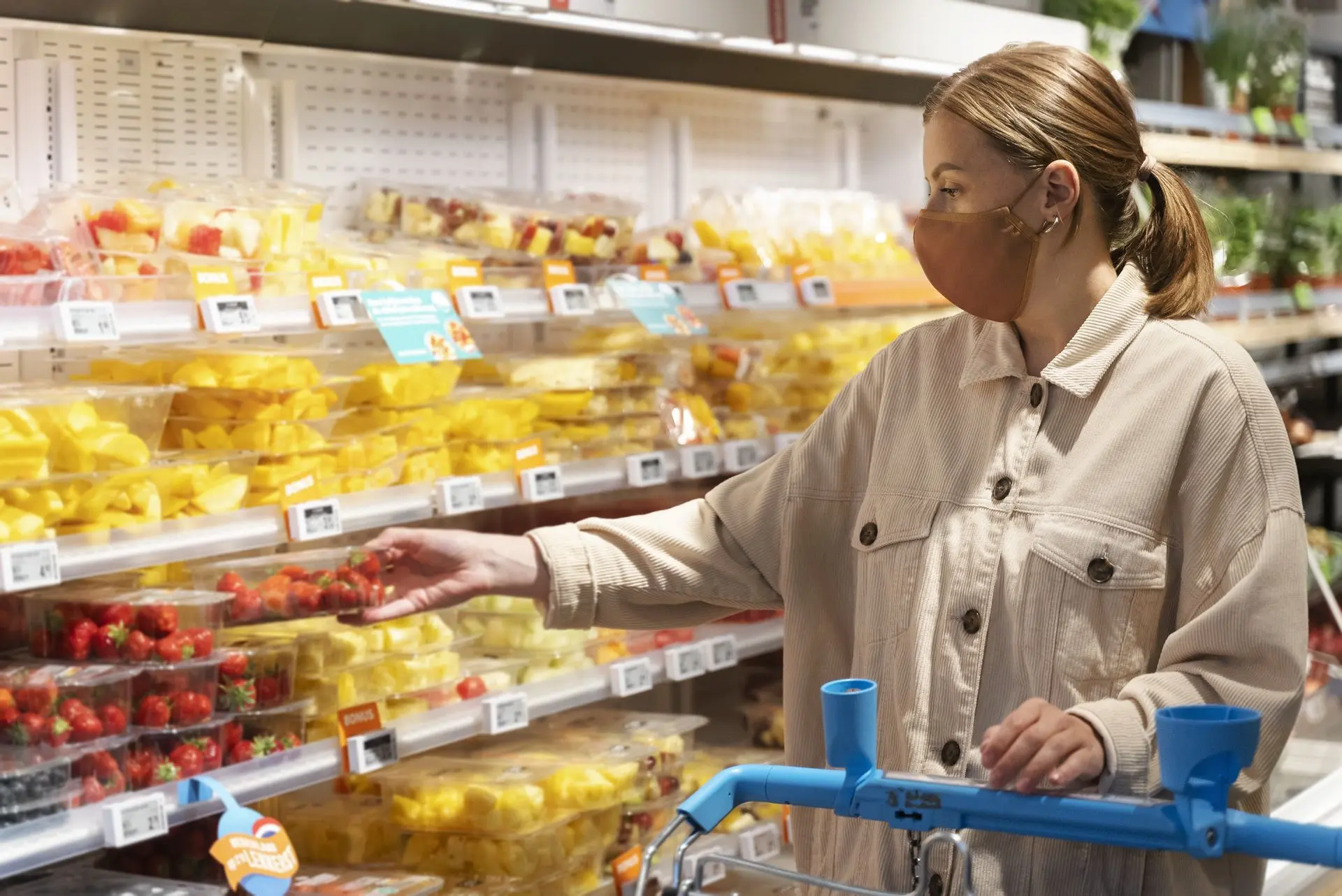
Inventory automation helps restaurants monitor:
- Ingredient purchases
- Stock balances
- Stock consumption
- Inter-location transfers
- Wastage and spoilage
When integrated with the accounting framework, inventory movements can support more accurate inventory valuation and COGS calculations.
Key Benefits:
- Better stock visibility
- Reduced food wastage
- Improved inventory control
- More accurate food cost analysis
- Stronger profitability reporting
4. Recipe Costing Automation
Recipe costing systems calculate the cost of each menu item using standard ingredient quantities and current purchase prices. When supplier prices change, management can assess the impact on:
- Recipe cost
- Food cost percentage
- Contribution margin
- Menu profitability
- Recommended selling prices
This creates a more structured approach to menu pricing and margin management.

5. Labour Cost and Payroll Automation
Employee costs are a significant expense for restaurant businesses. Payroll and workforce management systems can help track:
- Employee working hours
- Staff schedules
- Overtime
- Payroll expenses
- Department-wise labour costs
When connected with the accounting system, labour costs can be recorded and analysed more efficiently.
Key Benefits:
- Improved payroll accuracy
- Better labour cost monitoring
- Reduced manual processing
- Improved workforce planning
- Stronger financial reporting
6. Real-Time Financial Dashboards
Integrated restaurant accounting systems can provide management dashboards that display key financial and operational metrics. Typical dashboard indicators include:
- Daily and monthly revenue
- Food cost percentage
- Labour cost percentage
- Prime cost
- Inventory turnover
- Gross profit
- Menu profitability
- Cash flow indicators
These dashboards give restaurant owners and management teams greater financial visibility across their operations.


7. Automated Financial Reporting
Automation can significantly improve the speed and consistency of financial reporting. Key reports may include:
- Profit and Loss Statements
- Balance Sheets
- Cash Flow Reports
- Food Cost Reports
- Inventory Valuation Reports
- Labour Cost Reports
- Branch-wise Performance Reports
- Management Reporting and MIS
For UAE and GCC businesses, properly structured financial reporting can also support IFRS reporting requirements, regulatory compliance and strategic business planning.
Benefits of Restaurant Accounting Automation
- Increased Financial Accuracy: Automated workflows reduce repetitive manual data entry and improve consistency across operational and financial systems.
- Faster Financial Reporting: Restaurant owners and management teams can access financial information more quickly instead of waiting until the end of the month.
- Improved Cost Control: Automated monitoring of food costs, labour expenses, inventory movements and operating costs supports better profitability management.
- Greater Financial Visibility: Integrated systems provide management with a clearer view of sales, expenses, margins and operational performance.
- Operational Efficiency: Automation reduces administrative workload and allows accounting teams to focus on financial analysis, controls and business support.
- Better Strategic Decision-Making: Accurate and timely financial data helps management make informed decisions regarding pricing, expansion, staffing, purchasing and cost optimisation.

ALGEBRAA's Restaurant Accounting Automation Framework

Step 1: POS Integration with Accounting Systems
We review the restaurant's sales channels and POS environment to establish an efficient flow of financial data into the accounting system. The process may include the integration of:
- Sales transactions
- VAT-related data
- Discounts and promotions
- Payment methods
- Service charges
Step 2: Inventory and COGS Integration
We help structure inventory processes to improve visibility over ingredient purchases, consumption and stock movements. This supports:
- Inventory valuation
- Cost of Goods Sold calculation
- Food cost monitoring
- Wastage analysis


Step 3: Recipe Costing Implementation
We establish recipe costing structures that connect menu items with ingredient quantities and costs.
This enables businesses to analyse:
- Cost per dish
- Food cost percentage
- Contribution margins
- Menu profitability
- Supplier price impact
Step 4: Payment Reconciliation Automation
We establish processes for reconciling:
- POS sales
- Card settlements
- Payment gateways
- Delivery platform settlements
- Bank transactions
This improves revenue accuracy and strengthens financial controls.

Step 5: Financial Dashboard and MIS Reporting
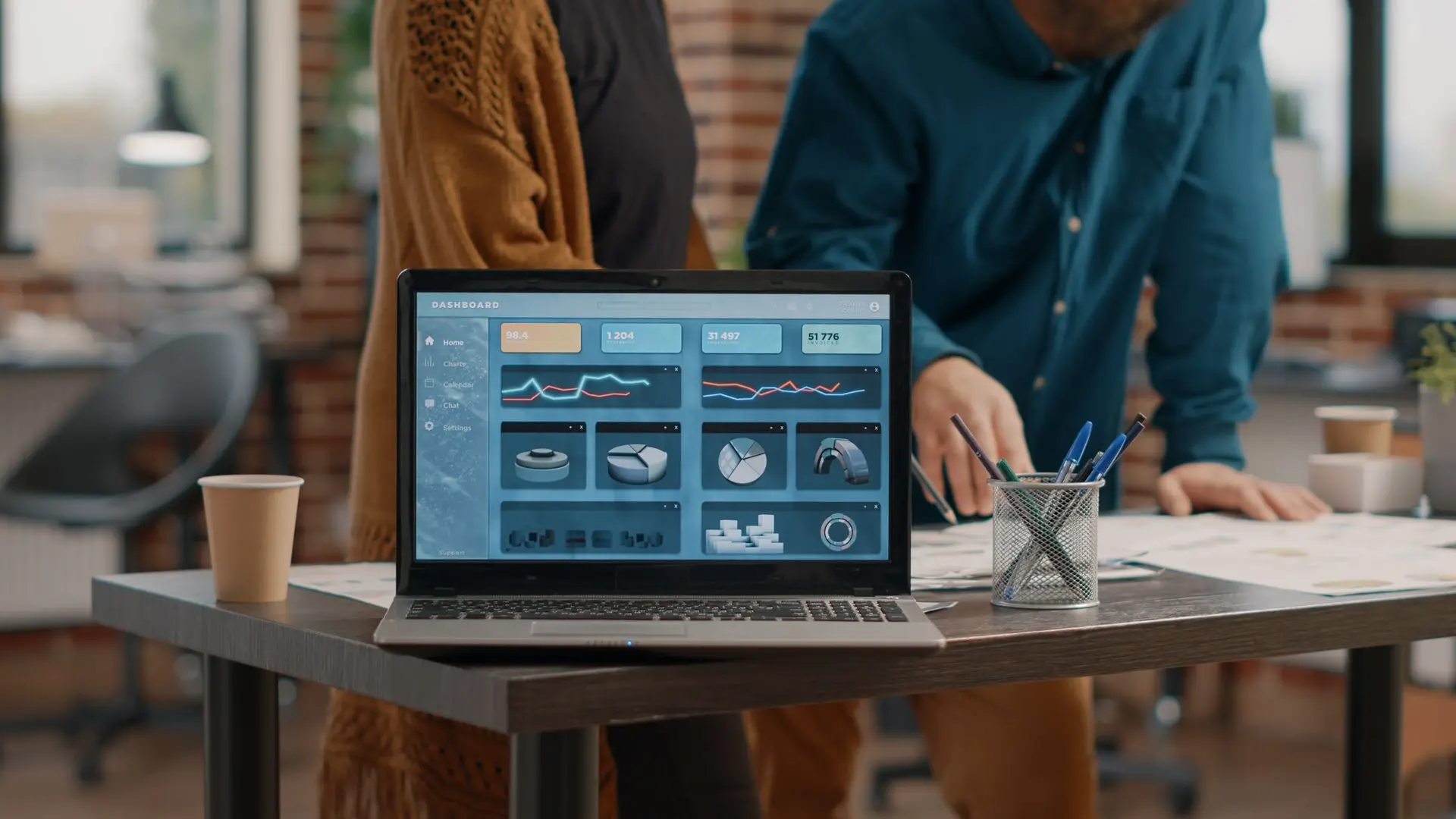
We develop management reporting structures that provide meaningful financial insights for restaurant owners and management teams. Reports can include:
- Daily sales performance
- Food and labour cost analysis
- Profitability trends
- Cash flow visibility
- Branch-wise performance
- Budget versus actual analysis
VAT, Corporate Tax and Financial Compliance
For restaurants operating in the UAE, accounting automation should also support an organised approach to regulatory compliance. ALGEBRAA helps businesses structure their accounting records to support:
- VAT Registration, where applicable
- VAT accounting and transaction classification
- VAT Return Filing support
- Corporate Tax Registration
- Corporate Tax Return Filing support
- Accurate financial records
- Audit support
- IFRS-based financial reporting, where applicable
A properly integrated accounting system improves the quality and accessibility of financial data required for compliance and management reporting.

- AI-assisted financial analysis
- Predictive cost analytics
- Automated budgeting and forecasting
- Cloud-based accounting platforms
- Advanced business intelligence
- Integrated multi-location reporting
- Automated exception and variance monitoring
The Future of Restaurant Financial Management
Technology will continue to transform how restaurants manage their finances and operations. Emerging developments include:
Restaurants that invest in structured accounting technology can improve financial visibility, respond faster to cost changes and build more scalable financial operations.
Why Choose ALGEBRAA for Restaurant Accounting Automation?
ALGEBRAA provides specialised accounting, bookkeeping, ERP consulting and financial management solutions for restaurant and hospitality businesses across the UAE and GCC. Our services can support:
- Restaurant accounting and bookkeeping
- Accounting outsourcing
- POS and accounting integration
- Inventory accounting
- Recipe costing
- Food cost analysis
- Payment and bank reconciliation
- Payroll processing
- Financial reporting
- Management reporting and MIS
- CFO and Virtual CFO Services
- ERP consulting and implementation
- VAT compliance support
- Corporate Tax compliance support
- Budgeting and forecasting
- Financial analysis and business advisory
We work with independent restaurants, cafés, quick-service restaurants, food franchises, multi-location restaurant groups and hospitality businesses. Our objective is to create accounting systems that provide reliable financial information, stronger internal controls and practical insights for sustainable business growth.


- Monitor financial performance more effectively
- Improve food and labour cost control
- Reduce manual accounting processes
- Strengthen financial reporting
- Support VAT and Corporate Tax compliance
- Improve operational efficiency
- Make better strategic business decisions
Conclusion
Restaurant accounting automation is becoming an essential part of modern financial management. By integrating POS systems, inventory management, recipe costing, payment reconciliation and financial reporting, restaurant businesses can gain stronger control over costs and improve financial visibility.
A structured automation framework can help restaurants:
With specialised restaurant accounting, bookkeeping, ERP consulting and financial reporting expertise, ALGEBRAA helps UAE and GCC restaurant businesses build integrated financial systems designed for accuracy, scalability and long-term profitability.