Restaurant Accounting KPIs
25 Key Financial Metrics Every Restaurant Owner Must Track
The restaurant industry in the UAE and GCC operates in a highly competitive environment characterised by fluctuating ingredient costs, labour expenses, high transaction volumes and demanding operational requirements. To maintain profitability, restaurant owners need accurate financial data and timely visibility into the key metrics that influence business performance. At ALGEBRAA, we help restaurant owners, café operators, franchise businesses and multi-location hospitality groups monitor and analyse critical financial KPIs through structured Accounting Services, Bookkeeping Services, POS integration, Financial Reporting and Management Reporting. These 25 restaurant financial metrics help management identify cost pressures, improve operational efficiency, strengthen cash flow management and make informed strategic decisions.

1. Food Cost Percentage
Food cost is one of the largest controllable expenses in restaurant operations.
Formula:
Food Cost % = (Cost of Food Sold ÷ Food Sales) × 100
Why it matters:
This KPI helps management determine whether ingredient costs are under control and whether menu pricing supports sustainable profitability. Regular food cost monitoring also helps identify wastage, purchasing inefficiencies and changes in supplier pricing.
2. Beverage Cost Percentage
This metric measures the cost of beverages relative to beverage revenue.
Formula:
Beverage Cost % = (Beverage Cost ÷ Beverage Sales) × 100
Monitoring beverage costs helps restaurants evaluate margins, purchasing efficiency and pricing performance across their beverage operations.


3. Prime Cost
Prime cost combines two of the most significant operating expenses in a restaurant: food cost and labour cost.
Formula:
Prime Cost = Cost of Goods Sold + Labour Cost
Monitoring prime cost helps restaurant management understand whether the core operating cost structure is aligned with revenue and profitability objectives.
4. Labour Cost Percentage
Labour costs may include salaries, wages, overtime, employee benefits and other workforce-related expenses.
Formula:
Labour Cost % = (Total Labour Cost ÷ Total Sales) × 100
Regular labour cost analysis supports efficient staffing, workforce planning and operational cost control.


5. Gross Profit Margin
Gross profit measures the profitability of restaurant sales after deducting the direct cost of goods sold.
Formula:
Gross Profit = Sales – Cost of Goods Sold
A detailed gross profit analysis helps management assess whether revenue, purchasing costs and menu pricing are supporting the desired financial performance.
6. Net Profit Margin
Net profit margin measures the overall profitability of the restaurant after operating expenses and other applicable costs.
Formula:
Net Profit Margin % = (Net Profit ÷ Total Revenue) × 100
This is a critical indicator of the restaurant's overall financial health and long-term sustainability.


7. Average Customer Spend
Average customer spend measures the average revenue generated from each customer or transaction.
Formula:
Average Spend = Total Sales ÷ Number of Customers
This KPI can support menu pricing decisions, promotional planning and revenue growth strategies.
8. Table Turnover Rate
Table turnover measures how efficiently restaurant seating capacity is being utilised.
Formula:
Table Turnover Rate = Number of Parties Served ÷ Number of Available Tables
Restaurants can use this metric to assess service efficiency, peak-hour performance and revenue-generating capacity.

9. Inventory Turnover Ratio
Inventory turnover measures how efficiently restaurant inventory is consumed and replenished.
Formula:
Inventory Turnover = Cost of Goods Sold ÷ Average Inventory
A well-managed inventory turnover ratio can help reduce excess stock, minimise wastage and improve working capital management.
10. Food Waste Percentage
Food waste directly affects profitability and inventory efficiency.
Formula:
Food Waste % = (Value of Food Wasted ÷ Value of Food Purchased) × 100
Monitoring food waste helps identify issues related to purchasing, storage, preparation, portion control and inventory management.


11. Recipe Profitability
Each menu item should be analysed based on its selling price and direct ingredient cost.
Formula:
Recipe Profit = Selling Price – Recipe Cost
Recipe-level profitability analysis helps restaurants identify high-margin dishes and improve menu performance.
12. Menu Item Profit Margin
This KPI measures the profitability of individual menu items.
Formula:
Menu Profit Margin % = (Menu Item Profit ÷ Selling Price) × 100
Tracking menu item margins supports better pricing decisions and more effective menu engineering.


13. Sales Per Table
Sales per table measures the revenue generated from available dining capacity.
Formula:
Sales Per Table = Total Sales ÷ Number of Tables
This metric helps management evaluate seating efficiency and overall revenue performance.
14. Sales Per Seat
Sales per seat measures how effectively restaurant seating capacity generates revenue.
Formula:
Sales Per Seat = Total Revenue ÷ Total Seating Capacity
This information can support operational planning, capacity management and expansion decisions.


15. Peak Hour Revenue
Peak hour revenue measures sales generated during the busiest operating periods. Analysing this KPI helps restaurants optimise:
- Staffing levels
- Kitchen capacity
- Inventory availability
- Service efficiency
- Promotional activity
16. Fast-Moving Menu Items
Fast-moving menu items are dishes or products with consistently high sales volumes.
Monitoring these items helps restaurants improve:
- Inventory planning
- Supplier purchasing
- Menu promotion
- Kitchen preparation
- Revenue forecasting


17. Slow-Moving Menu Items
Slow-moving items can negatively affect inventory turnover and increase the risk of wastage. Restaurant management can review whether to:
- Adjust the selling price
- Modify the recipe
- Improve promotion
- Replace the item
- Remove it from the menu
18. Customer Acquisition Cost
Customer acquisition cost measures the investment required to attract new customers.
Formula:
Customer Acquisition Cost = Marketing Expenses ÷ Number of New Customers
This KPI helps restaurants evaluate the financial effectiveness of marketing campaigns and customer acquisition strategies.


19. Customer Retention Rate
Customer retention measures the ability of a restaurant to encourage repeat business.
A strong retention rate can support more predictable revenue and reduce dependence on continuous customer acquisition.
20. Revenue Per Employee
Revenue per employee measures workforce productivity.
Formula:
Revenue Per Employee = Total Revenue ÷ Number of Employees
This metric can help management assess staffing efficiency and workforce utilisation.


21. Staff Sales Performance Analysis
Where appropriate operational data is available, restaurants can analyse sales performance by service teams or individual employees.
This analysis can help management:
- Recognise high-performing employees
- Identify training requirements
- Improve upselling performance
- Strengthen workforce planning
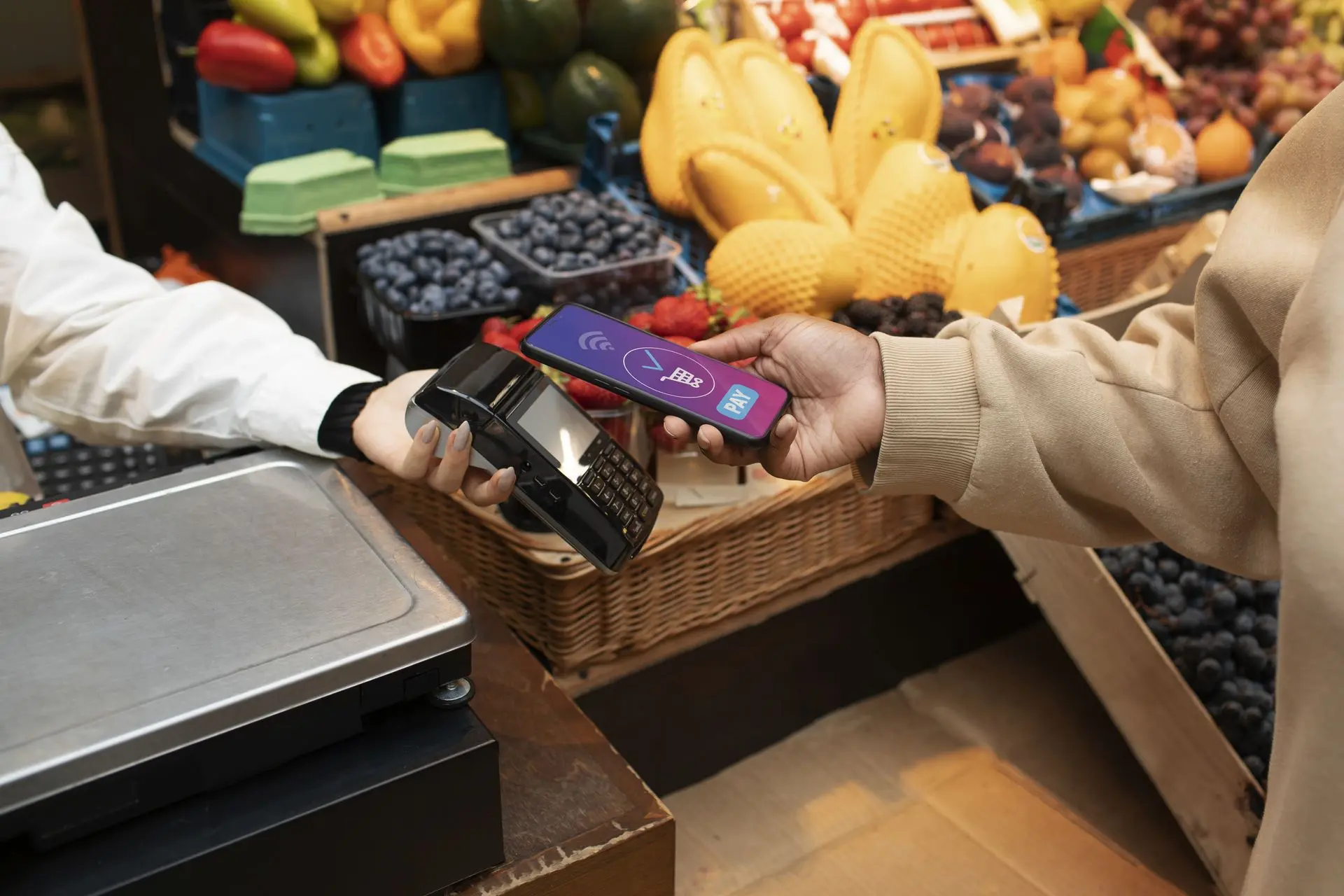
22. Payment Method Analysis
Restaurants in the UAE and GCC may receive payments through multiple channels, including:
- Cash
- Credit cards
- Debit cards
- Digital wallets
- Payment gateways
- Online food delivery platforms
Monitoring payment method distribution helps businesses manage settlement timing, transaction fees, cash flow and reconciliation requirements.
Accurate reconciliation between POS records, payment providers and bank deposits is also an important internal control.


23. Break-Even Point
Break-even analysis determines the level of sales required to cover fixed and variable operating costs.
Formula:
Break-Even Sales = Fixed Costs ÷ Contribution Margin Ratio
Understanding the break-even point helps restaurant owners establish realistic sales targets and evaluate the financial impact of operational decisions.
24. Contribution Margin
Contribution margin measures the amount of revenue remaining after variable costs are deducted.
Formula:
Contribution Margin = Sales – Variable Costs
This metric helps management understand how individual products, menu categories or sales channels contribute towards covering fixed costs and generating profit.

25. Cash Flow Monitoring
Cash flow management is essential for maintaining smooth restaurant operations.
Restaurants should monitor:
- Daily cash inflows
- Supplier payments
- Payroll obligations
- Rent and operating expenses
- Payment gateway settlements
- Accounts Payable and Accounts Receivable
- VAT and other applicable tax obligations
Accurate cash flow forecasting helps management maintain liquidity and plan for future business requirements.
How ALGEBRAA Helps Restaurants Track Financial KPIs
ALGEBRAA provides specialised Restaurant Accounting Services, Bookkeeping Services, Management Reporting and Financial Analysis designed to give restaurant owners greater financial visibility and control.
Our accounting framework can integrate financial information from:
- POS systems
- Inventory management platforms
- Recipe costing systems
- Payroll systems
- Payment gateways
- Accounting and ERP software


Through structured reporting and financial analysis, restaurant businesses can access:
- Real-time or periodic financial visibility
- Food and labour cost analysis
- Profitability reporting
- Inventory and wastage insights
- Cash flow management
- Budgeting and forecasting
- Management Information System (MIS) reporting
- Financial analysis for strategic decision making
We also support UAE businesses with accounting structures designed to improve VAT Compliance, Corporate Tax Compliance, regulatory compliance and financial reporting quality.
Why KPI Tracking Is Critical for Restaurant Success
Restaurants that consistently monitor their financial and operational KPIs are better positioned to:
- Control food and labour costs
- Improve menu profitability
- Reduce operational waste
- Strengthen inventory controls
- Improve cash flow management
- Increase financial visibility
- Support business growth
- Make informed strategic decisions
A structured restaurant accounting system transforms operational data into meaningful financial insights. With accurate bookkeeping, integrated systems and timely Management Reporting, restaurant owners can move beyond simply reviewing historical results and take proactive action to improve performance.


Partner with ALGEBRAA for Restaurant Accounting and Financial Management
Take greater control of your restaurant's financial performance with specialised accounting and financial management support from ALGEBRAA. Our team helps restaurants, cafés, QSR businesses, franchises and hospitality groups build integrated financial systems that support accurate reporting, stronger internal controls, cost management and sustainable profitability.
Contact ALGEBRAA today to discuss Restaurant Accounting Services, Bookkeeping Services, Financial Reporting, CFO Services and Accounting Outsourcing solutions for your business in Dubai, the UAE and across the GCC.