Restaurant Accounting Process Flow
From Daily Sales to Final Financial Statements
Restaurant businesses in the UAE and across the GCC operate in a fast-paced environment where hundreds or thousands of transactions, inventory movements and operational activities may take place every day.
At ALGEBRAA, we design and implement structured restaurant accounting systems that connect daily operations with accurate financial reporting. Our approach integrates POS systems, inventory management, recipe costing, payroll data and accounting software into a streamlined financial management framework.
This enables restaurant owners, café operators, QSR brands, franchise businesses and multi-location hospitality groups to improve financial visibility, strengthen internal controls and make informed business decisions.
Step 1: Capturing Daily Restaurant Sales

The restaurant accounting process begins with the accurate capture of all daily sales transactions through the Point of Sale (POS) system.
Sales may include:
- Dine-in orders
- Takeaway sales
- Online delivery orders
- Catering services
- Corporate orders
- Private events and special functions
Each transaction should capture important information such as:
- Menu item sold
- Quantity
- Selling price
- Discounts and promotions
- VAT and applicable charges
- Payment method
A properly configured POS system creates the foundation for accurate revenue accounting and VAT reporting.
Objective: To ensure complete and accurate capture of daily revenue across all sales channels.
Step 2: Payment Method and Settlement Reconciliation
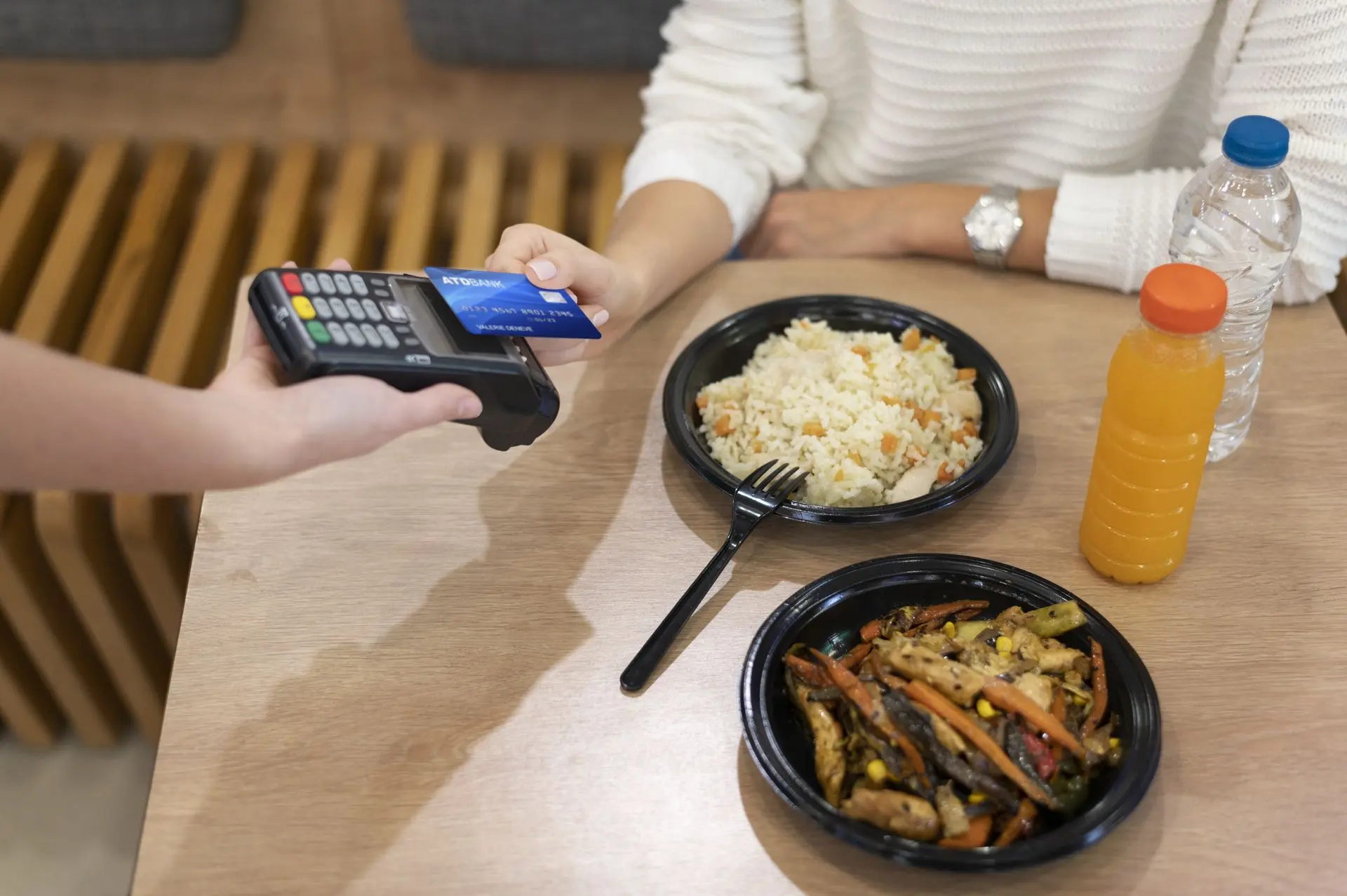
Restaurants in the UAE receive payments through multiple channels, including:
- Cash
- Credit cards
- Debit cards
- Digital wallets
- Online payment gateways
- Food delivery platforms
- Corporate and account customer payments
Each payment channel must be reconciled against:
- POS sales reports
- Bank statements
- Merchant settlement reports
- Payment gateway reports
- Delivery platform statements
This process helps identify:
- Missing settlements
- Delayed payments
- Incorrect commissions
- Duplicate transactions
- Revenue discrepancies
Automated reconciliation improves financial accuracy and reduces the risk of revenue leakage.

Step 3: Recording Daily Sales in the Accounting System

Once sales data has been reviewed and reconciled, the information is transferred or integrated into the accounting system. A typical accounting structure may include:
Debit: Cash, Bank or Payment Gateway Receivable
Credit: Restaurant Sales Revenue
Credit: Output VAT, where applicable
The exact accounting treatment depends on the restaurant's payment and settlement structure. Automated POS-to-accounting integration reduces manual data entry and supports more accurate and timely financial reporting.
Step 4:
Recording Supplier Purchases
Restaurants regularly purchase ingredients, beverages, packaging materials and operational supplies.
Typical purchases include:
- Fresh produce
- Meat and seafood
- Dairy products
- Beverages
- Dry goods
- Packaging materials
- Kitchen and cleaning supplies
Supplier invoices should be recorded promptly and accurately to maintain reliable Accounts Payable and inventory records. Typical accounting treatment may include:
Debit: Inventory or relevant expense account
Credit: Accounts Payable or Bank
Accurate purchase recording supports supplier management, inventory valuation, food cost analysis and cash flow planning.

Step 5:
Inventory Tracking and Consumption
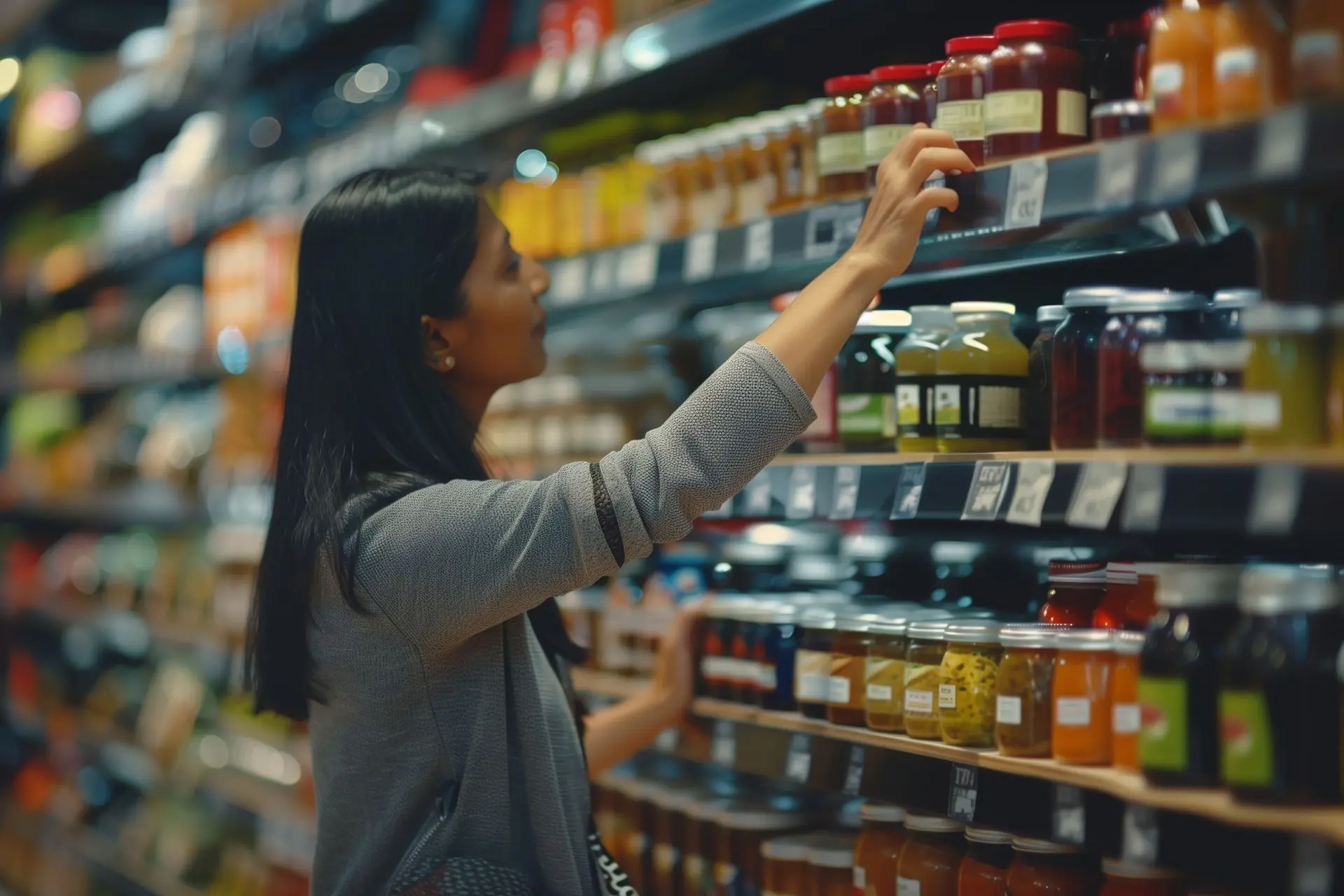
Inventory management is one of the most important components of restaurant financial control. Restaurant inventory systems should track:
- Ingredient purchases
- Goods received
- Stock transfers
- Kitchen consumption
- Production usage
- Wastage and spoilage
- Physical stock counts
The objective is to create a clear connection between inventory movement and Cost of Goods Sold (COGS).
With integrated inventory accounting, restaurant management can identify unusual consumption patterns, stock shortages and potential inventory shrinkage before they materially affect profitability.
Step 6: Recipe Costing and Food Cost Calculation
Every profitable restaurant should maintain standard recipes for its menu items.
A recipe costing system defines:
- Ingredients required
- Standard quantities
- Unit costs
- Portion sizes
- Total recipe cost
For example, a grilled chicken sandwich may include:
- Chicken breast
- Bread
- Lettuce
- Sauce
- Garnishes
The system calculates the total ingredient cost based on current purchase prices.
When supplier prices change, recipe costs can be updated automatically, allowing management to monitor the impact on:
- Food cost percentage
- Contribution margin
- Menu profitability
- Recommended selling prices
This provides greater control over food costs and supports data-driven menu pricing decisions.
Step 7:
Labour Cost and Payroll Recording

Labour is a major operating expense for restaurants and hospitality businesses. Restaurants need to monitor:
- Salaries and wages
- Overtime
- Incentives and commissions
- Employee benefits
- Staff-related costs
Payroll information should be integrated with the accounting system to ensure labour expenses are accurately reflected in financial reports. Management reporting can also analyse labour costs by:
- Department
- Location
- Shift
- Revenue level
This helps restaurant owners monitor workforce efficiency and control labour cost as a percentage of revenue.
Step 8:
Recording Operating Expenses
Restaurants incur a wide range of operating expenses that must be accurately classified under the appropriate Chart of Accounts. Typical expenses include:
- Rent and occupancy costs
- Utilities
- Marketing and promotions
- Equipment maintenance
- Cleaning and consumables
- Delivery-related costs
- Professional services
- Software subscriptions
Structured expense accounting improves budgeting, financial analysis and management reporting. It also provides better visibility into fixed and variable costs.

Step 9:
Bank and Payment Reconciliation

Regular reconciliation is essential for maintaining accurate financial records. The accounting team compares:
- Accounting records
- POS sales reports
- Bank statements
- Card merchant settlements
- Digital payment reports
- Delivery platform settlements
Any differences should be investigated and resolved promptly. Regular reconciliation strengthens internal controls, improves cash flow visibility and supports accurate financial reporting.
Step 10:
Inventory Valuation and Cost of Goods Sold
At the end of each accounting period, inventory balances are reviewed to calculate Cost of Goods Sold.
A standard calculation is:
Opening Inventory + Purchases − Closing Inventory = Cost of Goods Sold
Depending on the restaurant's accounting policies and system configuration, inventory may be valued using appropriate costing methods such as FIFO or weighted average.
Accurate COGS calculation is essential for:
- Food cost monitoring
- Gross profit analysis
- Menu profitability
- Financial reporting
- Management decision-making

Step 11:
Preparing Financial Statements and Management Reports

Once transactions are recorded, reconciled and reviewed, the accounting system generates financial reports. Key reports include:
Profit and Loss Statement:
Provides a summary of:
- Revenue
- Cost of Goods Sold
- Labour costs
- Operating expenses
- Net profit or loss
Balance Sheet:
Shows the financial position of the restaurant, including:
- Assets
- Liabilities
- Equity
Cash Flow Reporting:
Tracks cash inflows and outflows to support effective cash flow management.
Food Cost Reports:
Analyse food and ingredient costs against sales and budgeted targets.
Labour Cost Reports:
Measure workforce costs against revenue and operational performance.
Management and MIS Reporting:
Provides business owners and management teams with clear insights into operational and financial performance.
Where applicable, financial reporting can be structured in line with IFRS Standards and relevant UAE regulatory and tax requirements.
Step 12:
Financial Performance and Profitability Analysis
Preparing financial statements is not the final stage of the accounting process. Restaurant management should regularly analyse financial and operational data to identify opportunities for improvement.
Key areas of analysis include:
- Menu profitability
- Recipe cost performance
- Food cost percentage
- Labour cost percentage
- Table and location performance
- Peak-hour revenue
- Fast-moving and slow-moving menu items
- Inventory turnover
- Wastage analysis
- Cash flow performance
These insights support strategic decision making and help restaurant owners take corrective action before financial issues become significant.


Technology Integration in Restaurant Accounting
Modern restaurant financial management depends on the effective integration of multiple systems. A complete accounting ecosystem may include:
- POS platforms
- Inventory management systems
- Recipe costing software
- Payroll systems
- Accounting software
- ERP platforms
- Business intelligence and dashboard tools
The objective is to create a connected flow of financial data rather than relying on disconnected systems and manual spreadsheets.
An integrated framework can automate:
- Sales recording
- Inventory updates
- Cost of Goods Sold calculations
- Payment reconciliation
- Expense classification
- Financial reporting
- Management dashboards
This improves financial accuracy, reduces manual workload and provides real-time financial visibility.
VAT and Corporate Tax Compliance for Restaurants in the UAE
Restaurant accounting in the UAE must also support ongoing regulatory compliance. A properly structured accounting system can assist businesses with:
- VAT registration, where required
- Accurate VAT calculation and transaction recording
- VAT Return Filing
- Corporate Tax Registration
- Corporate Tax Return Filing
- Maintenance of supporting accounting records
- Audit support and compliance documentation
Reliable bookkeeping and financial records are essential for meeting VAT and Corporate Tax compliance obligations while providing management with accurate financial information.


How ALGEBRAA Supports Restaurant Accounting Systems
ALGEBRAA provides specialized Accounting Services, Bookkeeping Services and financial management support for restaurants and hospitality businesses across the UAE and GCC. Our services include:
- Restaurant bookkeeping and accounting
- POS and accounting software integration
- Inventory accounting and food cost management
- Recipe costing systems
- Accounts Payable and supplier accounting
- Accounts Receivable management
- Payment and bank reconciliation
- Payroll Processing and labour cost analysis
- VAT compliance and VAT Return Filing
- Corporate Tax compliance support
- IFRS Reporting
- Financial Reporting and MIS Reporting
- Budgeting and Forecasting
- Cash Flow Management
- Virtual CFO Services
- ERP Consulting and ERP Implementation
We help businesses build a connected financial ecosystem that transforms operational data into reliable financial intelligence. Our solutions are suitable for:
- Independent restaurants
- Café chains
- Quick Service Restaurants
- Fine dining establishments
- Food franchises
- Catering companies
- Cloud kitchens
- Multi-location restaurant groups
- Hospitality businesses
Why a Structured Restaurant Accounting Process Matters
A well-designed restaurant accounting process provides more than accurate bookkeeping. It helps management:
- Monitor profitability with greater accuracy
- Control food and labour costs
- Improve inventory visibility
- Reduce wastage and revenue leakage
- Strengthen internal controls
- Improve cash flow management
- Maintain VAT and Corporate Tax compliance
- Support better budgeting and forecasting
- Make data-driven strategic decisions
- Build a stronger foundation for business growth


Conclusion
Restaurant accounting is a continuous financial management process that connects daily operations with long-term business performance. From capturing POS sales and reconciling payments to monitoring inventory, calculating recipe costs and preparing financial reports, every stage must work together to provide a clear view of profitability.
With a properly integrated accounting framework, restaurant owners can achieve stronger financial visibility, improved cost control, reliable regulatory compliance and better decision-making.
ALGEBRAA helps restaurant businesses across the UAE and GCC implement professional accounting, bookkeeping, financial reporting and technology integration frameworks designed for the operational realities of the hospitality industry.